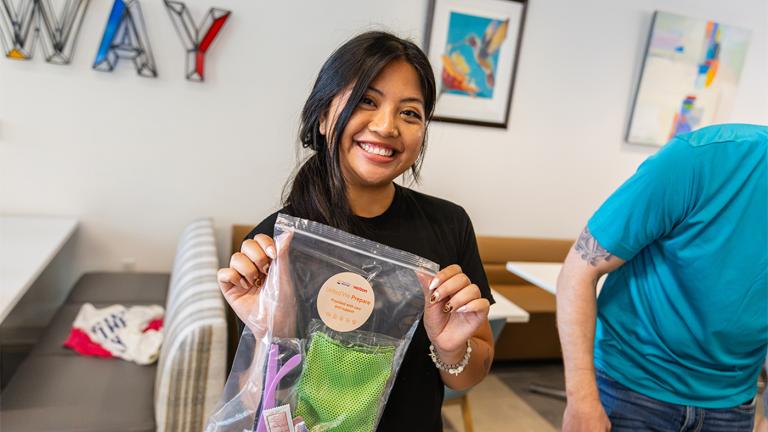
A United Way volunteer holding a heat relief kit

Preparedness Survey: 2026 Snapshot

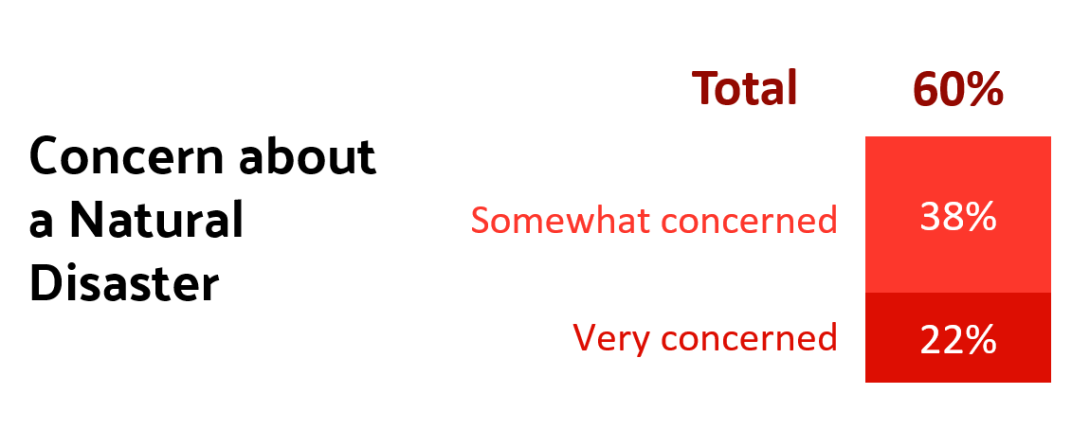
New research from United Way Worldwide and Verizon shows 60% fear disasters could affect their household, yet few feel prepared.

Many people know disasters can happen. Fewer are taking steps to prepare.

According to new research from United Way Worldwide and Verizon, cost is the top obstacle to preparedness. Many people also say they don't know where to begin or don't have enough time. Yet getting ready can start with a few simple actions. And the benefits are clear: 68% of people who have experienced a disaster say they wish they had prepared differently.

2026 Preparedness Survey

The 2026 Preparedness Survey — one-of-a-kind research conducted to understand how consumers think about disaster preparedness — offers insights into how prepared people feel to deal with disasters, where they turn for help, and the barriers to feeling adequately prepared.  

More than 3,000 U.S. adults age 18 and older participated in the online survey from July 20 to August 7, 2026. 

85%

feel unprepared for a natural disaster

84%

have not created or tested a household emergency plan

65%

have not assembled emergency supplies

Top Findings

Over half of adults worry about a disaster, but cost keeps them from preparing. New data underscores the importance of planning and personal networks.

The good news: preparedness can start with a few simple steps.

#1 Disaster Risk Feels Real

  • The majority of those surveyed (60%) are concerned about natural disasters, either somewhat (38%) or very concerned (22%). 
  • Younger adults are more likely to worry about natural disasters (60% of Gen Z and 65% of Millennials), but they are not more likely to prepare.
  • Caregivers are more likely to be concerned about the impact of a natural disaster on their household than non-caregivers (71% vs. 57%).
  • Concern about natural disasters is higher along the Gulf Coast (68%) and West Coast (64%) than the national average (60%).
Image
Bar chart showing 60% of survey respondents expressed concern about a natural disaster.

#2 Preparation Means Helping Family, Friends, and Neighbors

The top reason people prepare for disasters is to help ensure the physical safety of household members. 

Nearly three-quarters (73%) of adults feel a strong obligation to help people in their circle and say they can rely on family, friends, and neighbors in a crisis. 
Image
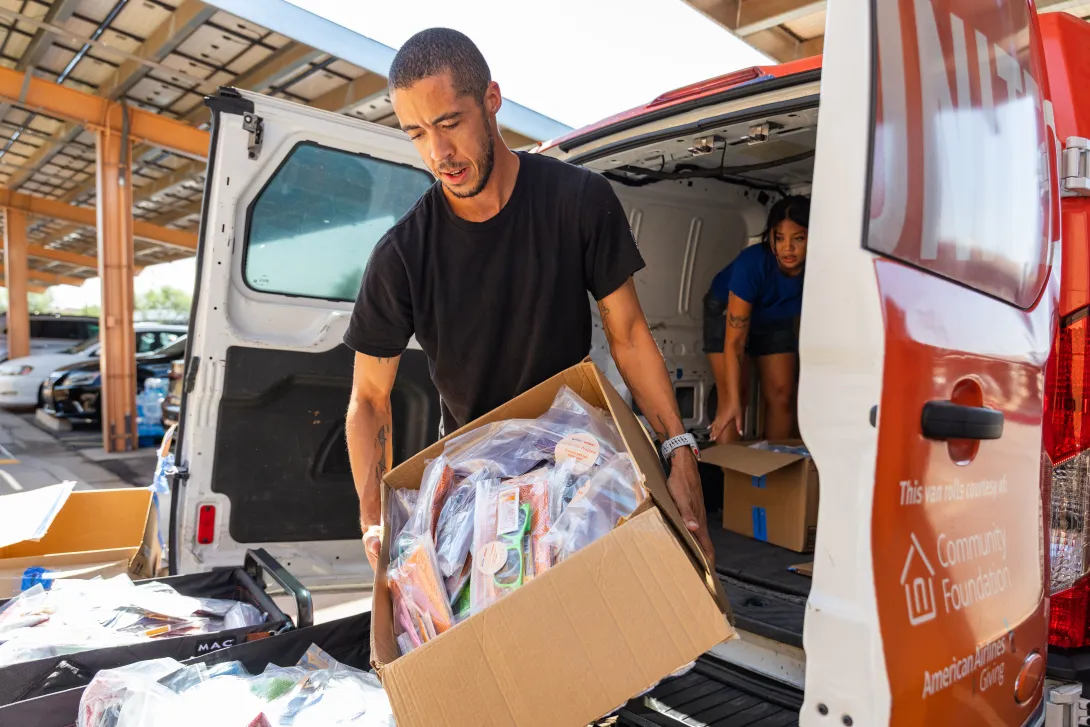
A United Way volunteer loads heat relief kits into a van for distribution

#3 Cost Is a Barrier 

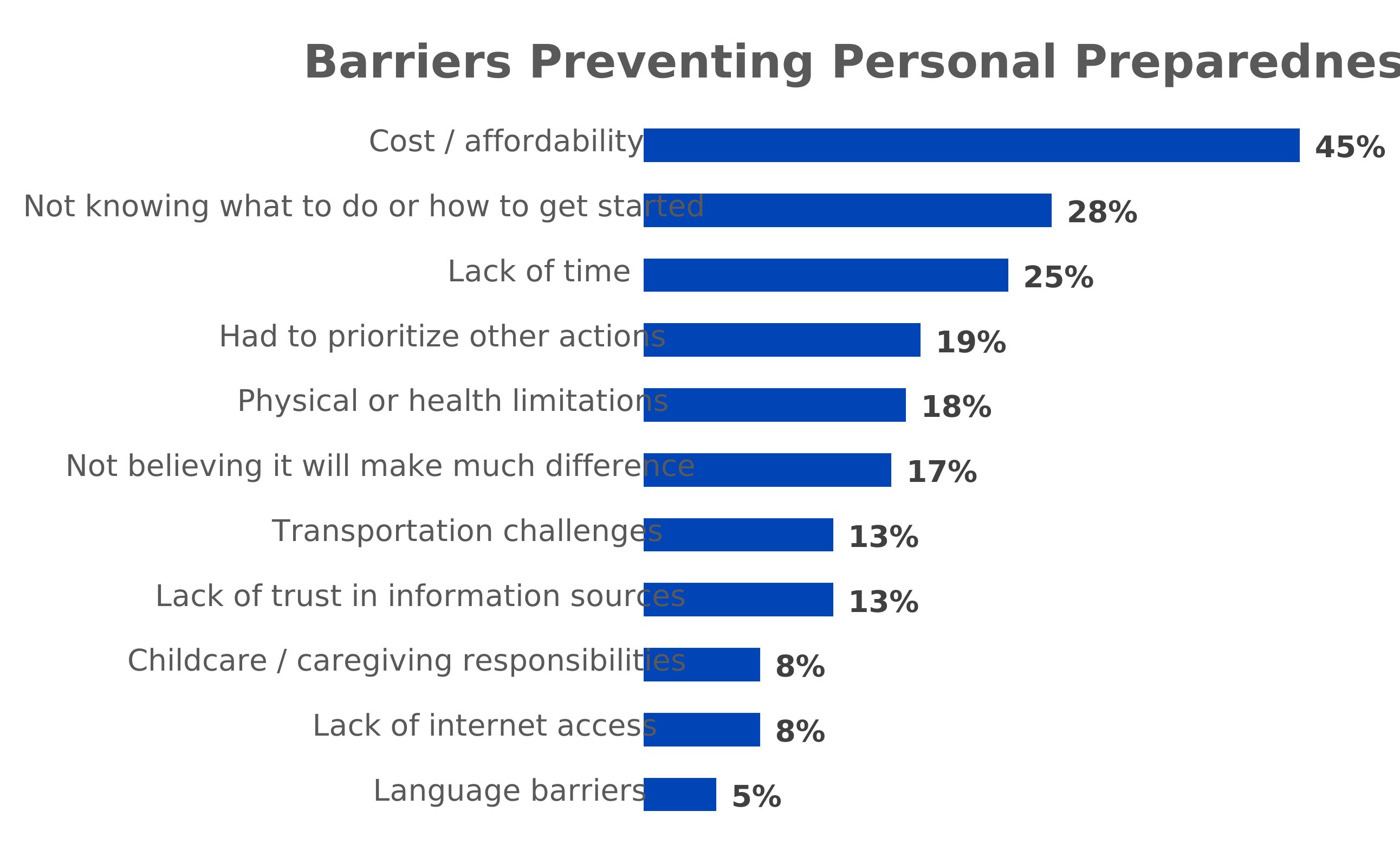
  • Cost is the most commonly identified barrier (45%).
  • Not knowing what to do or how to get started is another common roadblock (28%) followed by lack of time (25%). 
Image
Graphic showing barriers to preventing personal preparedness with cost being with top, cited by 45%

#4 Kits, Communication and Contacts Are Key

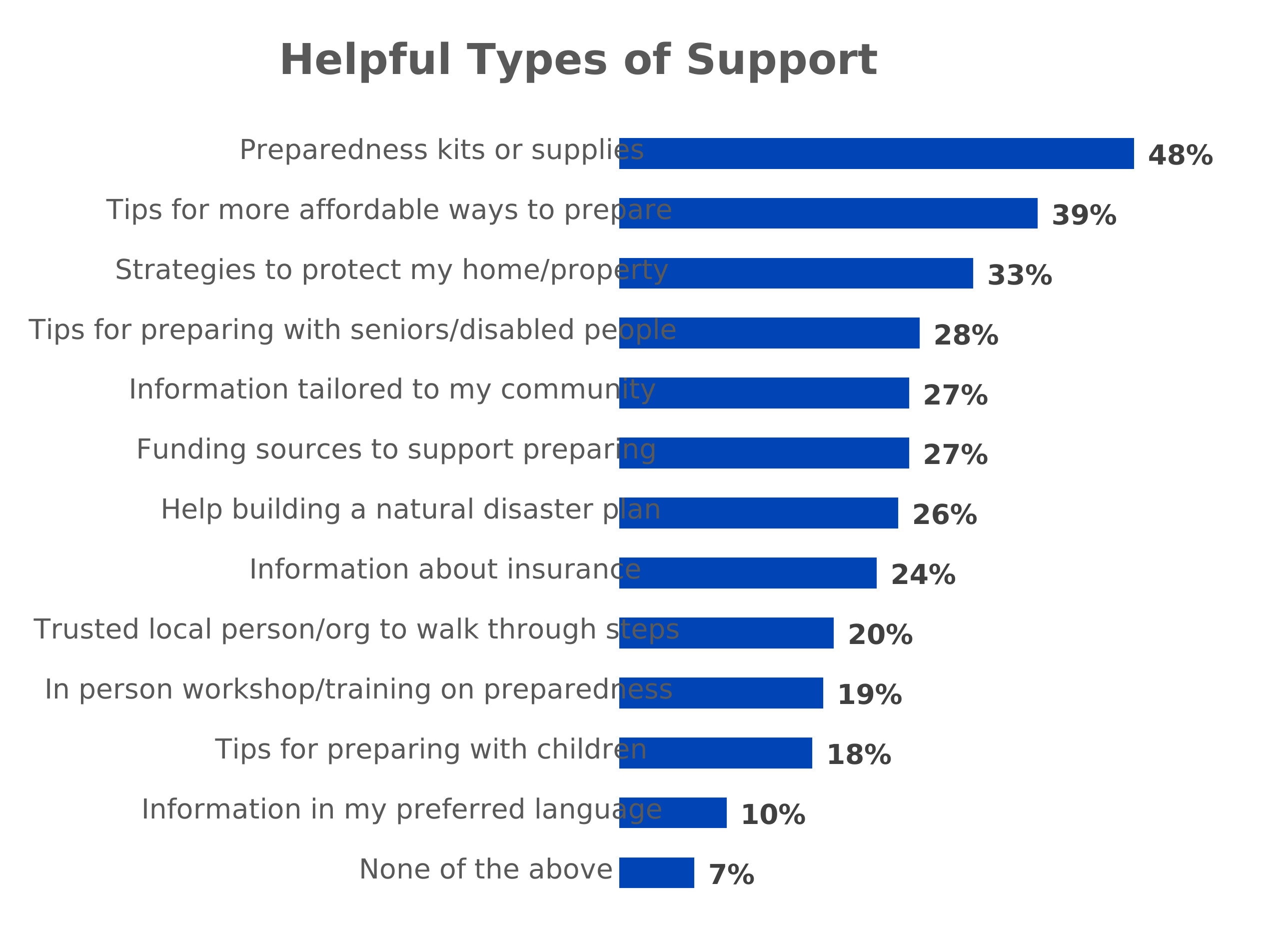
  • Nearly half of adults (49%) say preparedness kits are what they need most to get ready.
  • Affordable, accessible information on how to prepare is the second most-needed resource (39%).
  • Local emergency services (49%), local news (42%), and government agencies (40%) are the most trusted sources of disaster information.
  • Most people have limited support networks, with 68% reporting five or fewer contacts they can rely on during a crisis.
Image
Graphic showing the most helpful types of support with preparedness kits cited by 48% of respondents

#5 Experience Increases Focus on Preparing

  • 21% of those surveyed say they have personally experienced a natural disaster.
  • Among those who have experienced a disaster, more than two-thirds (68%) wished they'd done something differently to prepare.
  • Nearly nine in 10 (87%) said the experience made them more focused on preparedness. 
    Image
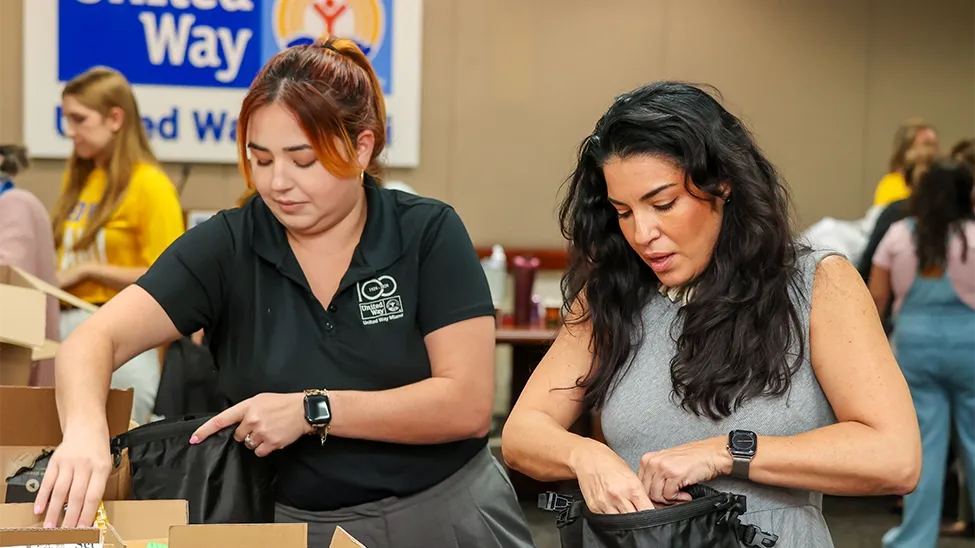
    Women packing emergency preparedness kits

Download the key Findings (PDF)


United We Prepare, a United Way program supported by Verizon, is helping to make preparedness easier, more affordable, and more accessible. It provides tools and information to help people prepare before disaster strikes. 

Through hands-on workshops in 18 markets across 109 counties nationwide, United We Prepare offers free emergency kits, helpful planning tips and resources, and information about trusted local services, including 211, a 24/7 helpline that connects people with help in their communities.

For households already struggling to cover basic needs, preparing for a disaster can feel like one more cost and one more burden they can’t afford. But everyone deserves the peace of mind that comes from being prepared." 

Rosie Allen-Herring, Interim President & CEO of United Way Worldwide

Preparedness Tips and Resources

Get free resources to be disaster ready. 

United We Prepare

From holding preparedness workshops to improving communications for first-responders, United Way and Verizon are working to help build resilience before, during, and after disasters. 
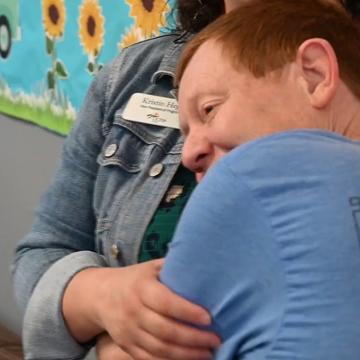
Young person hugging Kristin Hegji
Stories of Resilience: Southwest Alabama

Providing Preparedness Tools for Those with Cerebral Palsy

A micro-grant from Verizon and United Way is helping United Cerebral Palsy of Mobile, Ala. replace medical and comfort items families rely on after a disaster.
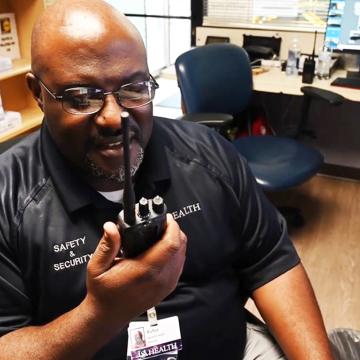
Hospital safety and security staffer talking into new radio
Stories of Resilience: Southwest Alabama

Communicating When Every Second Matters

New radios and an antenna system funded by a United Way of Southwest Alabama micro-grant help a Mobile hospital reach first responders during disasters.
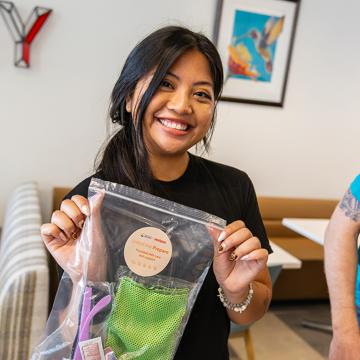
A United Way volunteer holding a heat relief kit
Stories of Resilience: Phoenix

Heat Relief Kits Provide Lifesaving Help

Volunteers with Valley of the Sun United Way and Verizon assembled 10,250 heat relief kits, providing lifesaving help during Phoenix's extreme heat.