United Way Miami staff assemble hurricane emergency kits
Focus Area

Community Resiliency

A resilient community is one that can anticipate, withstand, adapt to, and recover from crisis — and emerge stronger than it was before. United Way helps communities build that resilience through the 211 helpline, disaster preparedness and response, and long-term recovery support.

We believe there’s no challenge we can’t face when our communities stand together. That means helping neighbors navigate natural hazards like floods, fires, and severe weather, the rising costs of housing and utility bills, and barriers to health care and nutritious, affordable food. 

Our community resilience work includes:

  • 211, a free, 24/7 resource, connecting people to local services and support. Our 211 impact data highlights trends from millions of requests for assistance, offering valuable insights into the evolving needs of communities and the areas where support is needed most.
  • United We Prepare is United Way's national preparedness effort focused on helping communities anticipate, withstand, and recover from disasters. 
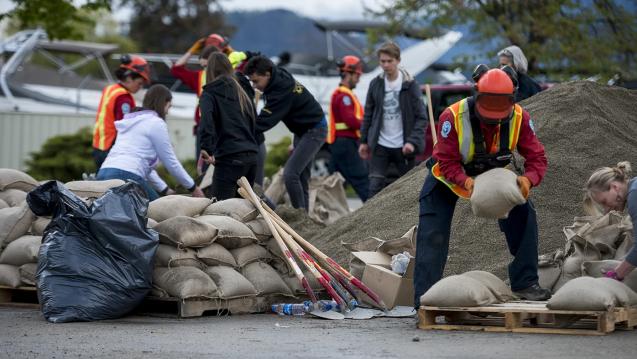
  • Disaster Relief that's there in the first hours after disaster with food, clean water, emergency shelter and more.
  • Long-Term Recovery that supports community rebuilding in the months and years after news headlines fade. 


211 Fuels Community Solutions

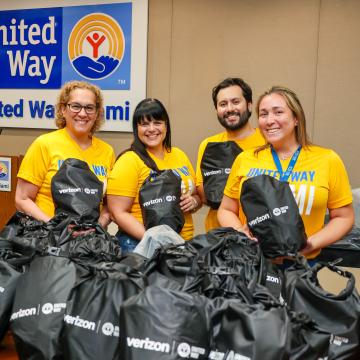
United Way Miami staff smiling as they fill emergency preparedness kits
Community Resiliency

Preparing for Heat and Hurricanes

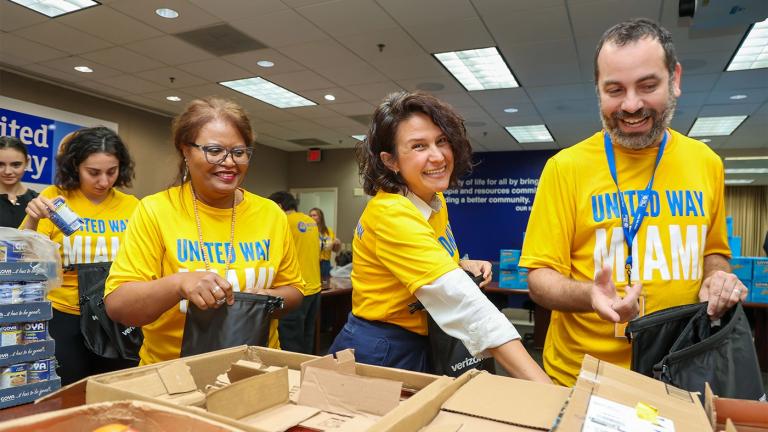
United Way Miami staff assembled more than 1,200 emergency preparedness kits for residents in vulnerable communities. 

The work is part of United We Prepare, a multi-year disaster readiness and community resilience initiative launched by the United Way Worldwide in partnership with Verizon.
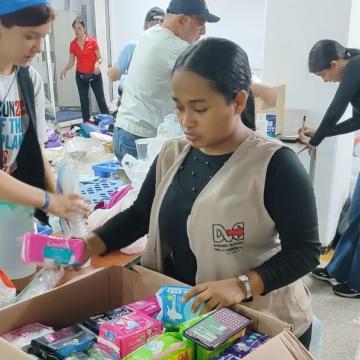
Volunteers Sorting Hygiene Items
Community Resiliency

Three Things That Set Apart United Way's Earthquake Response

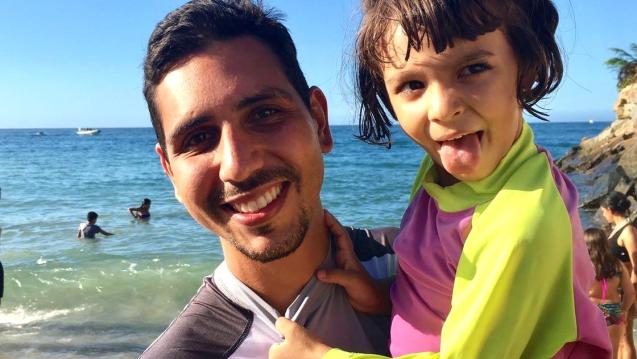
When two earthquakes struck Venezuela on June 24, United Way was ready for what came next.
Frequently Asked Questions

Detailing United Way's approach to strengthening community resiliency

  • A resilient community is one that is able to effectively anticipate, withstand, adapt to, and recover from crisis, and ultimately emerge stronger than it was before. 
     

  • At United Way, we believe that when we mobilize the caring power of our communities, there is no obstacle we can’t overcome. We are focused on the biggest, most complex challenges that affect our neighbors, including: 

    • Natural hazards such as hurricanes, wildfires, and floods
    • Human-caused hazards such as acts of violence, armed conflict, and public health emergencies
    • Financial stressors, including inflation, rising costs, unemployment, and stagnating wages
    • A widening career skills gap that's susceptible to technological and climate-related changes
    • The shrinking social safety net and reduction of public services people depend on, which is resulting in reduced access to essentials like housing, utilities, health care, childcare, transportation, and nutritious food.
       
  • United Way strengthens community resilience by listening to local residents, convening the people who can act, and mobilizing resources toward shared solutions.

    That work starts with understanding the community. We learn from neighbors to identify what needs to change, what assets already exist, and where the gaps are. We then bring together residents, employers, government representatives, and community-serving organizations to co-create solutions that fit the place they serve.

    From there we mobilize people to act — through volunteering, giving, advocacy, and partnerships — and build the support systems and community culture that make a place ready to respond when disruption comes.

  • As household costs continue to increase as essential public benefits diminish, we’re stepping up for our communities, mobilizing people and partners to bridge financial resource gaps and ensure no neighbor is left behind.

    When United Ways activate financial security strategies at scale — including workforce development, affordable housing solutions, and access to financial tools and services — communities become better able to withstand economic stresses.

  • Through United We Prepare, United Way helps people get ready before disaster strikes — with practical planning tools, preparedness education, and connections to local support networks. The initiative works through local United Ways in communities across the country, so the guidance reflects the hazards each community actually faces.

  • When disaster hits, United Ways deliver immediate local help: the 211 helpline connects people to shelter, food, and services; emergency funds are mobilized quickly; and community networks provide direct and referral services where they’re needed most. Because United Ways are already embedded in their communities, the relationships and systems are in place before the crisis begins.

  • Long after the first responders leave and the news cycle has moved on, we’re here for the long haul, helping our communities rebuild, recover, and emerge stronger than they were before.

    In the months and years after the community's most immediate and urgent needs have been met, United Way continues to work: helping neighbors rebuild homes and businesses; providing access to human services like employment, education, and mental health care; and working with community leaders to build the infrastructure necessary to help mitigate the impacts of future disasters.

    Learn more about our long-term recovery work