West Virginia Resiliency Centers Bring Disaster Preparedness Home
Two new Resiliency Centers are helping the state's 55 counties better prepare for disasters, coordinate response, and speed recovery
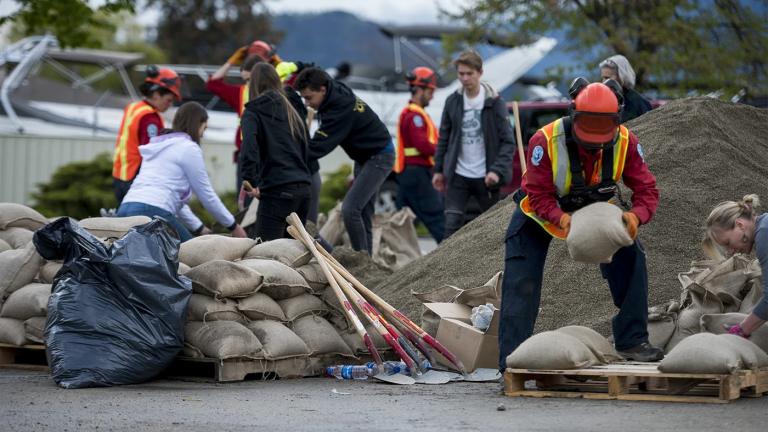
Flood events have more than doubled in West Virginia since the June 2016 flood, according to the National Oceanic and Atmospheric Administration.
Tygart Valley United Way and United Way of Central West Virginia have joined forces to help communities across the state do more to prepare for disasters and recover faster.
Part of United We Prepare, a United Way Worldwide initiative supported by Verizon developed to nurture community resiliency, the effort includes two new Resiliency Centers in Fairmont and Charleston.
These centers play multiple roles:
- Before and between disasters: The centers host resiliency workshops, assemble go-kits, distribute supplies and provide specialized training on disaster preparation.
- During disasters: The centers coordinate services addressing immediate needs like housing. They also become active staging hubs to organize volunteers and distribute food and other essential supplies.
- After disasters: The centers promote long-term resilience, coordinating with state and local offices to reduce exposure to future disasters.
The need is real and growing across West Virginia. Since the devastating June 2016 flood that cost 23 lives, flood events have more than doubled according to the National Oceanic and Atmospheric Administration’s storm database.
Designed to serve a variety of disasters across all 55 counties in the state, these centers represent a shift in how communities approach disasters — building on response and recovery efforts to also emphasize readiness, collaboration, and resilience.
“West Virginians have always demonstrated extraordinary resilience in the face of adversity,” said Brett White, CEO of Tygart Valley United Way. “From floods and severe storms to public health emergencies and economic challenges, our communities repeatedly come together to help one another.
“United We Prepare is about taking that spirit of resilience and creating a stronger statewide framework that allows organizations to prepare, coordinate, and respond more effectively together,” White said.
What Are Resiliency Centers?
The Resiliency Centers are not meant to replace emergency responders or serve individuals directly. Instead, they help nonprofits, local governments, emergency management partners, and community organizations work together before, during, and after disasters.
We’re basically trying to prepare for tomorrow today,”
Brian Aluise, director of the Charleston Resiliency Center
Candi Travis is the director of the Fairmont Resiliency Center, which serves the northern half of the state, and Brian Aluise is heading up the Charleston Resiliency Center, serving the state's southern counties. Already, they are meeting with local communities to plan preparedness workshops and coordinate disaster response.
“We want to reach everyone, from the folks down the street to those around the corner, and get everyone prepared for disaster,” Travis said.
Workshops are being scheduled from September through the end of the year. As part of the preparedness push, they will hand out 2,000 Disaster Resilience Kits throughout the state that include items like flashlights, waterproof document bags, and multifunctional tools.
They are also working to share resources across counties and regions, avoid duplicated efforts, identify service gaps, and support long-term recovery.
“We’re basically trying to prepare for tomorrow today,” Aluise said.
Working With Existing Systems
United Way’s Resiliency Centers are designed to complement — not replace — existing emergency management systems.
Emergency management agencies will continue to focus on immediate crisis response, public safety, and official emergency operations. The Resiliency Centers will focus on nonprofit coordination, preparedness, and long-term recovery capacity.
Already, the Resiliency Centers are reaching out to other local United Ways and organizations across West Virginia to identify needs, coordinate training, and build stronger partnerships.
For example, Aluise has been in daily communication with Voluntary Organizations Active in Disasters (VOAD) to help coordinate recovery efforts after slow-moving late June storms caused flash flooding and landslides in Boone, Logan, and Raleigh counties.
The Resiliency Centers also connect with West Virginia 211, which helps residents find essential services and support 24/7. Together, these systems create a stronger safety net for communities across the state.
A Statewide Network for Stronger Communities
The initiative will also include statewide preparedness workshops, regional planning opportunities, resource-sharing efforts, and a statewide preparedness conference focused on community resilience.
“Strong communities are built through strong partnerships,” said Margaret O’Neal, President of United Way of Central West Virginia.
“This initiative recognizes that no single organization can prepare for or respond to every challenge alone. By bringing together nonprofits, government agencies, businesses, and community leaders, we can create a more coordinated and resilient West Virginia that is ready to meet future challenges together.”
West Virginia Prepares
Get more information on how to prepare for disasters in West Virginia.