Greater Valdosta United Way Leads Mental Health Recovery After Hurricane Helene
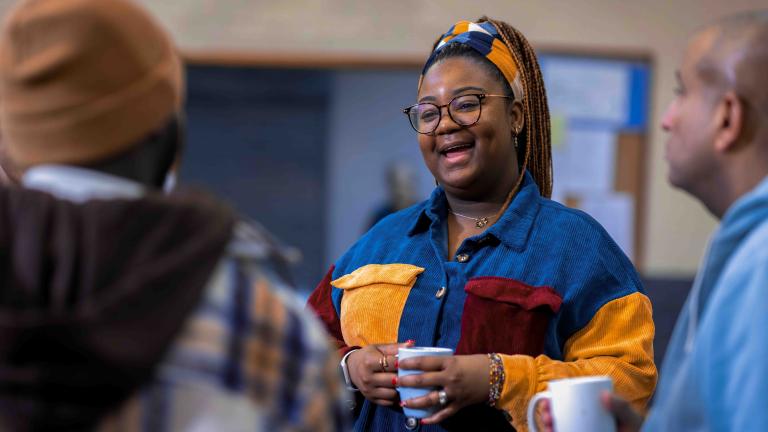
When Hurricane Helene hit South Georgia in September 2024, families in Valdosta were already strained from the toll of Idalia and Debby. In just over 13 months, three hurricanes had struck the region. “There’s a lot of storm PTSD and anxiety, especially in children,” said Michael Smith, CEO of Greater Valdosta United Way. “People are very worried and traumatized about their houses and properties that just got repaired being damaged again.”
Even before these storms, Georgia ranked among the lowest states for mental health access. “Georgia was ranked 49th out of 50,” Michael said. “Now the state legislature has done a lot the last couple of years to improve that, but ongoing inflation and compounding weather events have intensified pressure across South Georgia.” In the region United Way serves, “suicide is now the number one cause of death for 10- to-14-year-olds, above car accidents in our area.”
While the emotional toll is obvious, there is an often-overlooked layer of the crisis. The economic impact on farm families shaken by both disaster and the loss of a loved one to suicide or stress-related illness, is a growing and underreported dimension of long-term recovery.
From Immediate Relief to Long-Term Resolve
After the storms, Greater Valdosta United Way responded with immediate relief and direct services. Residents received assistance with rent, utilities, food, and gift cards. In the wake of the storms, United Way Worldwide CEO Angela F. Williams visited Valdosta to meet with the team. “She asked how I was doing, and I told her I could really use a hug,” Michael recalled. That moment affirmed the mission: no one, not even United Way's own first responders, should have to navigate trauma alone.
Greater Valdosta United Way enhanced its focus on suicide prevention and mental health first aid. With support from Resilient Georgia and Legacy Behavioral Health Services, United Way expanded access to QPR—Question, Persuade, Refer—a life-saving training that teaches people how to recognize the signs of a mental health crisis and connect others to help. United Way now ensures that trained mental health professionals are available when community members call for assistance. “QPR training is happening back there,” Michael said, referring to their recently repaired community space.
To offer a sense of safety in rural areas, United Way has partnered with the Red Cross to distribute weather radios in communities with limited access to alerts. “It gives people a little more peace of mind,” Michael explained.
We want to change the culture and make mental health something that’s just as supported as physical health.
The number of community members making use of crisis support is also increasing. “Lowndes County now has the second highest call volume for 988 [the national suicide and crisis lifeline],” Michael said. He and his team believe that the increase is due in part of Greater Valdosta United Way’s awareness work.
Valdosta hopes to be the next host site for the Farm Stress Summit, an event organized by the University of Georgia Cooperative Extension, that brings together healthcare providers, nonprofits, county officials, and faith leaders to confront the growing mental health crisis in agricultural communities. For Michael, the opportunity represents more than just a gathering—it’s a chance to change the conversation. “We’re starting to find ways that communities can move past the stigma,” he said. “We want to change the culture and make mental health something that’s just as supported as physical health.”
Disaster Recovery
Learn more about how United Way is helping communities rebuild and recover after disasters.