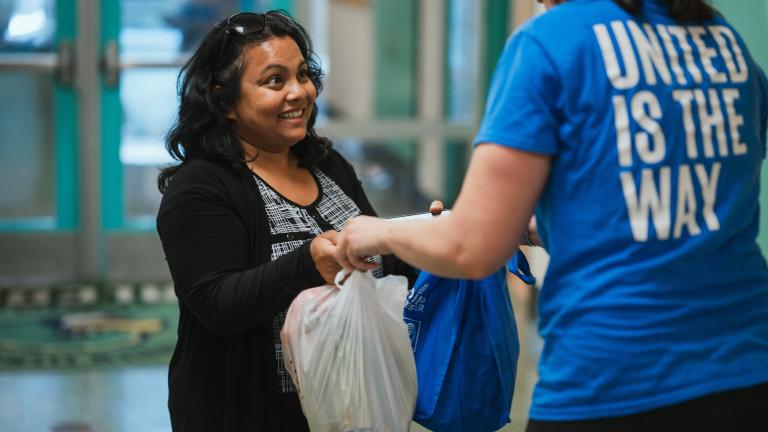
Ride United
Ride United connects eligible individuals and families to transportation assistance through United Way, the 211 network, and trusted partners.
Together, we're helping remove transportation barriers and getting people to essential services and resources.

Need a Ride?
If you're having trouble getting to work, health care, school, the grocery store, or another important destination, help may be available through United Way's Ride United program.
Thanks to generous support from GM and our partnership with Lyft, eligible riders can get free or low-cost rides to essential services.
Connect with 211 or your local United Way to learn about transportation assistance and other local services that may be available to you.
What You Can Do
Get Help
Do you need to take advantage of Ride United? Find 211 near you and see if Ride United is available.
Reach out to your local United Way
Contact your local United Way to see if Ride United is available.
Support United Way
Your generous donation will be directed where it is needed most to help build a future where every person in every community can thrive.
Access to Transportation
Launched in 2018 in partnership with Lyft, Ride United is a transportation access initiative, supported by GM, that connects people to essential services through the strength of United Way, the 211 network, and trusted partners.
178.5K+
unique riders served
726.8K+
completed rides
1M+
miles traveled to essential services
How Ride United Works


Frequently Asked Questions
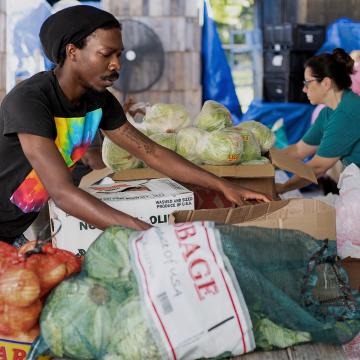
Helping People Get Healthy
Being healthy isn’t just about health care. Experts say the things that keep us the healthiest, happen outside the doctor’s offices.
But not everyone has the same access to doctors, fresh foods, or outdoor spaces for physical activity.
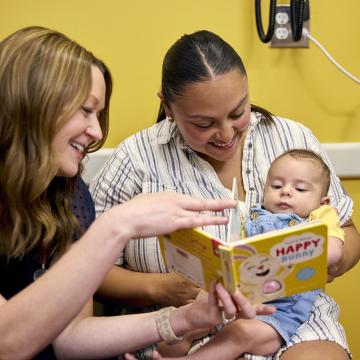
Transportation for Health Care Visits
Across the nation, transportation barriers continue to be a leading social determinant of health, impacting everything from access to health care to getting good jobs and obtaining healthy food.
Research has shown transportation barriers — including lack of a car or driver and insufficient access to buses and other public transportation — are harmful for both communities and individuals.
Need Help?
If you or someone you know needs help, connect with 211 here or dial 2-1-1.