Image
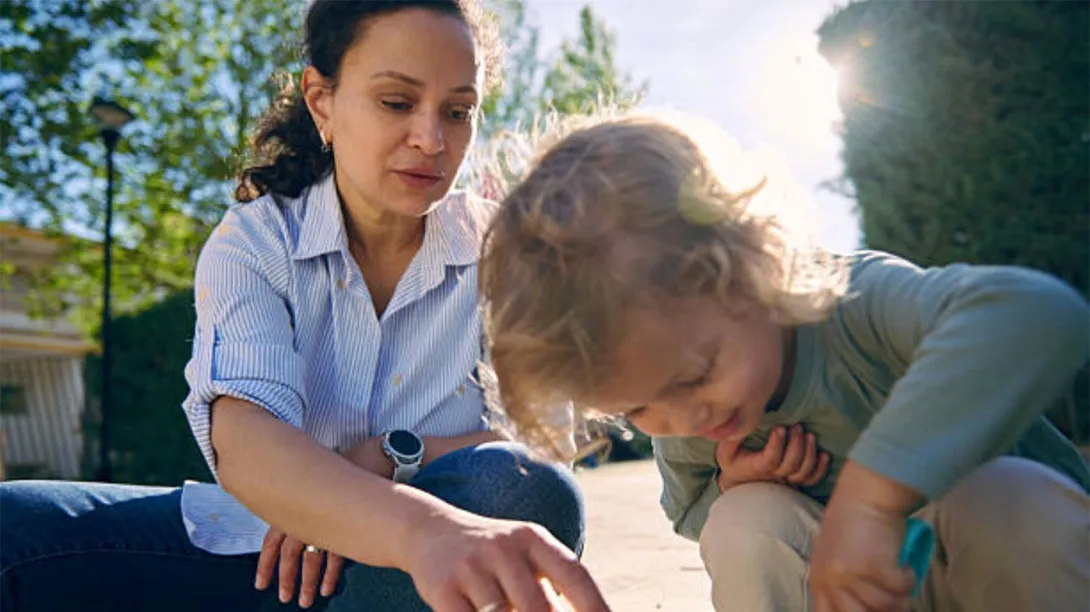
Extreme heat is a growing public health threat, and it hits young children especially hard. That's why United Way of Massachusetts Bay is working with the people who care for them every day.

Last year, the workshops trained more than 60 family childcare providers across the Boston region, providing tips for handling extreme heat and business continuity resources.
Extreme heat is a growing public health threat, disproportionately impacting young children, older adults, people with chronic health conditions, and families already struggling to make ends meet.
That's why United Way of Massachusetts Bay is offering workshops to prepare and manage extreme heat through United We Prepare, a disaster resiliency initiative led by United Way Worldwide, with support from Verizon.
The workshops are specifically designed for family childcare providers, who care for infants, toddlers, pre-school and school-aged kids, making it possible for parents to work.
Through this partnership, providers are receiving resources to help prepare for and respond to extreme heat, creating safer, healthier environments for children in their care. Last year, the workshops trained more than 60 family childcare providers across the Boston region, providing tips for handling extreme heat and business continuity resources.
The program is expanding this year, with more workshops starting in August and running through the fall.
Yalennys Velasquez, who participated in workshops for family childcare providers last year, said the training was especially important as weather patterns become less predictable.
For Velasquez, the training has been transformative not just for emergency preparedness but also for strengthening her childcare business.
“Having this training is helping my business, because now we're living in a digital environment,” she explains.
Extreme heat is a leading weather-related cause of deaths both globally and in the United States. A scorching heat wave around July 4 was linked to at least 44 deaths, including 29 in New Jersey.
Infants and young children are affected differently than adults: their smaller bodies heat up more quickly, and they sweat less, so they rely entirely on the adults around them to keep them cool and hydrated and to watch for signs of heat illness — like unusual irritability, crying without tears, or dizziness and fatigue.
Older adults and people with chronic health conditions face heightened risk too — and for families on tight budgets, running the air conditioning longer means utility bills that compete with rent, food, and medicine.
Family-focused webinars and an in-person workshop featured a pediatrician explaining how heat affects young bodies, along with practical resources for keeping kids cool.
Providers also received materials from the City of Boston's Office of Early Childhood, Boston Children's Hospital, and the Massachusetts Department of Public Health. After the resilience workshops, every surveyed participant reported increased confidence in preparing for disasters.
Boston has already experienced two 100-degree days this year for the first time in 74 years. For family childcare providers, who care for some of our youngest and most vulnerable residents, being prepared for extreme weather has become increasingly urgent.”
Melinda Weber, vice president of United Way of Massachusetts Bay’s shared services family childcare business incubator
The childcare work is part of United Way of Massachusetts Bay's broader push to help families weather extreme heat — including connecting residents, particularly seniors, with utility assistance and energy affordability programs through community partners in neighborhoods from Dorchester and Roxbury to Lawrence and Worcester.
As extreme weather heats up, the goal isn't just getting through a week of high temperatures, but to build communities that stay resilient in the seasons ahead.
“Extreme weather can happen anytime - and anywhere,” says Melinda Weber, vice president of United Way of Massachusetts Bay’s shared services family childcare business incubator. “Boston has already experienced two 100-degree days this year for the first time in 74 years. For family childcare providers, who care for some of our youngest and most vulnerable residents, being prepared for extreme weather has become increasingly urgent.”
United Way of Massachusetts Bay's Keep Kids Cool guide — created with the City of Boston's Office of Early Childhood — offers these tips on what to do before and during a hot day:
Five steps you can take now to prepare for disasters.