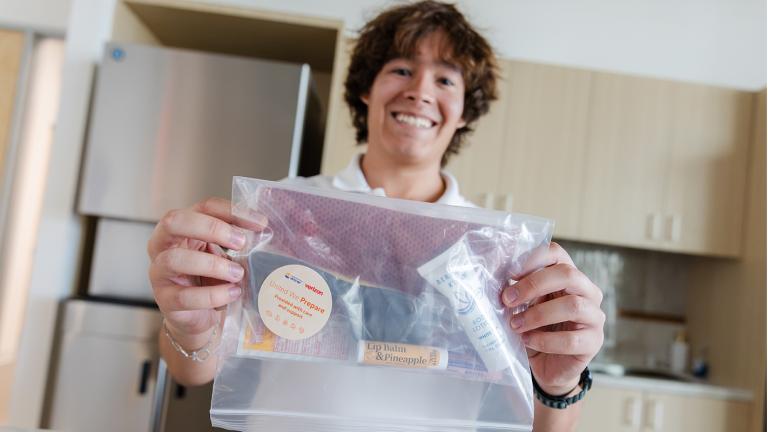
I man holds up a preparedness kit

How to Build an Emergency Kit

Plan now and begin packing your emergency essentials kit or go bag in case you need to evacuate in a hurry. 

An emergency kit, or go bag, holds what you need to survive for a few days during an emergency.

You can begin building your kit for free with what you already have at home. Everyone's needs are different, so customize your kit based on you and your family. 

“An emergency kit is more than a collection of supplies," says Alex Schwab, manager of disaster programs at United Way Worldwide. “The act of building one encourages families to think ahead, talk about emergencies, identify resources, and take practical steps that can make all the difference when disaster strikes."

Find general preparedness support and local resources through our United We Prepare initiative, a partnership with Verizon that includes free disaster preparation workshops and emergency kits. 

In addition to building a kit, you can also take a few additional simple steps to prepare now for future emergencies. 


Simple Steps to Take Now PDF         

  Cinco pasos sencillos para prepararte ahora

Six Steps to Build Your Emergency Kit

1. Get a Bag

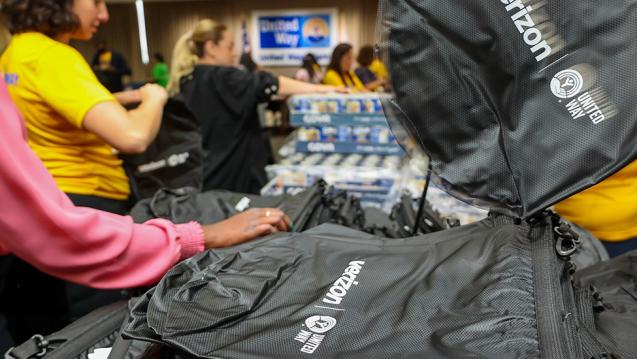
United Way staffers pack Verizon emergency kits for at-risk residents through the United We Prepare initiative

Your emergency or go bag can be a backpack, duffel bag, or rolling bag that contains essential supplies if you need to evacuate.

Choose a size and style that you can comfortably carry and that fits your family's needs. Look for a water-resistant bag with padded straps and enough room to hold at least three days' worth of essential supplies. 

Families may want separate bags for each person to distribute weight and ensure everyone has their own necessities.

Children's bags should contain lighter items such as snacks, a water bottle, comfort items, and a change of clothes. Adults can carry heavier supplies like water, first-aid items, and power banks.

2. Add Food & Water

Water bottles

• Non-perishable or "shelf stable" food 

• A can opener, if needed

• One gallon of water per person, per day. 

• For young children and infants: baby formula, sippy cup, and non-perishable food in pouches

• For pets, non-perishable food and water

3. Gather First Aid & Medications

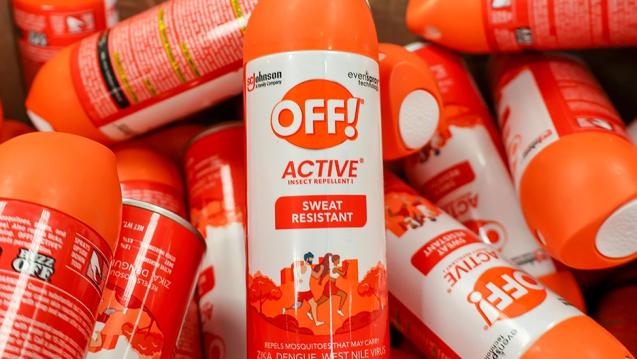
Can of bug spray

• First-aid kit

• Medications (take pictures of the prescription labels)

• Medical devices

• Hand sanitizer

• Bug repellent

• Sunscreen

• Pet medications

4. Power Up

Large pile of AA batteries

• Phone/electronics charger and cords, and at least one charged power bank

• Batteries

• Battery-powered radio

• Flashlight


5. Pack Some Personal Items

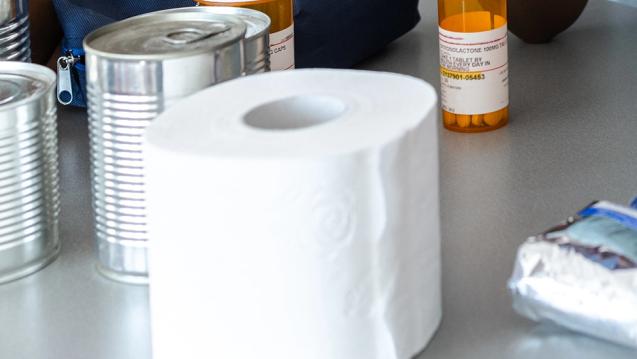
A roll of toilet paper

• Blankets or sleeping bags

• Toiletries, toilet paper, and feminine hygiene products

• One change of clothing for each person

• Sweatshirt or rain poncho for each person

• Pair of sneakers for each person

• For young children and infants: diapers and wipes

• Plastic resealable baggies and garbage bags

• Pet leashes and waste bags

6. Make Copies of Key Documents

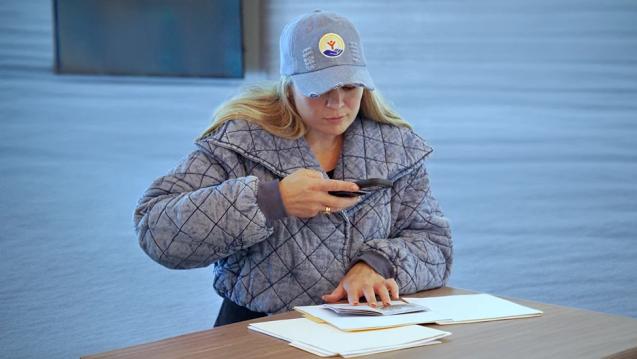
A woman using her phone to take a picture of a document

• Driver's licenses, passports, and photo IDs

• Health insurance cards

• Prescription information

• Birth certificates

• Property insurance policies

• Emergency contact information

Emergency Kit FAQ

A go bag is a portable kit containing essential supplies that can help you and your family stay safe and self-sufficient for at least 72 hours during an emergency or evacuation.

For more tips, visit ready.gov.


  • Plan for at least three days' worth of supplies. A good rule of thumb is one gallon of water per person per day, along with non-perishable foods that require little or no preparation. Don't forget to also pack food and water for pets. 

  • Choose shelf-stable foods such as canned goods, peanut butter, trail mix, protein bars, dried fruit, and ready-to-eat pouches. Don't forget a manual can opener if you're packing canned food.

  • Emergencies can disrupt access to pharmacies and healthcare providers. Include prescription medications, medical devices, and photos of prescription labels to make replacement easier if needed.

  • During power outages or disasters, cell service and internet access may be limited. A battery-powered radio can provide critical information, weather alerts, and emergency instructions.

  • Pack toiletries, toilet paper, a change of clothing, comfortable shoes, outerwear such as a sweatshirt or rain poncho, and any other items needed for comfort and hygiene.

    Don't forget medications and glasses or contacts. 

  • Include diapers, wipes, formula, a sippy cup, snacks, and age-appropriate food. Consider adding a small comfort item such as a favorite toy or blanket.

    For older kids, consider packing favorite books, games, and puzzles. 
     

  • Don't forget pet food, medications, leashes, waste bags, and copies of vaccination records. Pets have emergency needs too.

  • Copies of identification, insurance information, medical records, and emergency contacts can be invaluable if original documents are lost or inaccessible.

  • Yes. Keep some cash in small bills in your go bag. During emergencies, ATMs, credit card systems, and mobile payment services may be unavailable.

  • A sturdy, comfortable backpack is usually the best choice. Look for padded straps, multiple compartments, water-resistant material, and enough capacity to carry three days' worth of essentials.

  • Keep it in an easily accessible location, such as a hall closet, mudroom, or near an exit. Make sure all household members know where it is.

    You can also have separate kits for home, work, and cars. 

  • Review your kit at least twice a year. Replace expired food, water, batteries, medications, and supplies, and update clothing and documents as needed.

  • It depends on family size, but many emergency preparedness experts recommend that each family member have their own bag with essential personal items, while shared supplies can be distributed among adult family members.

  • Waiting until an emergency is imminent. Building and maintaining a go bag ahead of time ensures you're ready to leave quickly and safely if disaster strikes.

United We Prepare

Find Your Preparedness Program

Find a program near you.