Image
We’re celebrating America’s 250th birthday by reaffirming the power of volunteerism and giving back to our communities
When she was 111 years old, America made a friend.
In 1887, in Denver, a woman named Frances Wisebart Jacobs, a priest, two ministers, and a rabbi looked at a country where people wanted to help but did not know how.
Business was booming, cities were growing, and America's promise was stretching at the seams. At the same time, challenges were overwhelming communities.
Housing could not keep pace, and smallpox and influenza spread unchecked among workers who already endured low wages and dangerous conditions. When social programs buckled, struggling families had nowhere to turn. Americans cared for each other, but that care wasn’t organized.
So, we built a way to bring neighbors together to steward their compassion, and to nurture a spirit of service that wouldn’t rest.
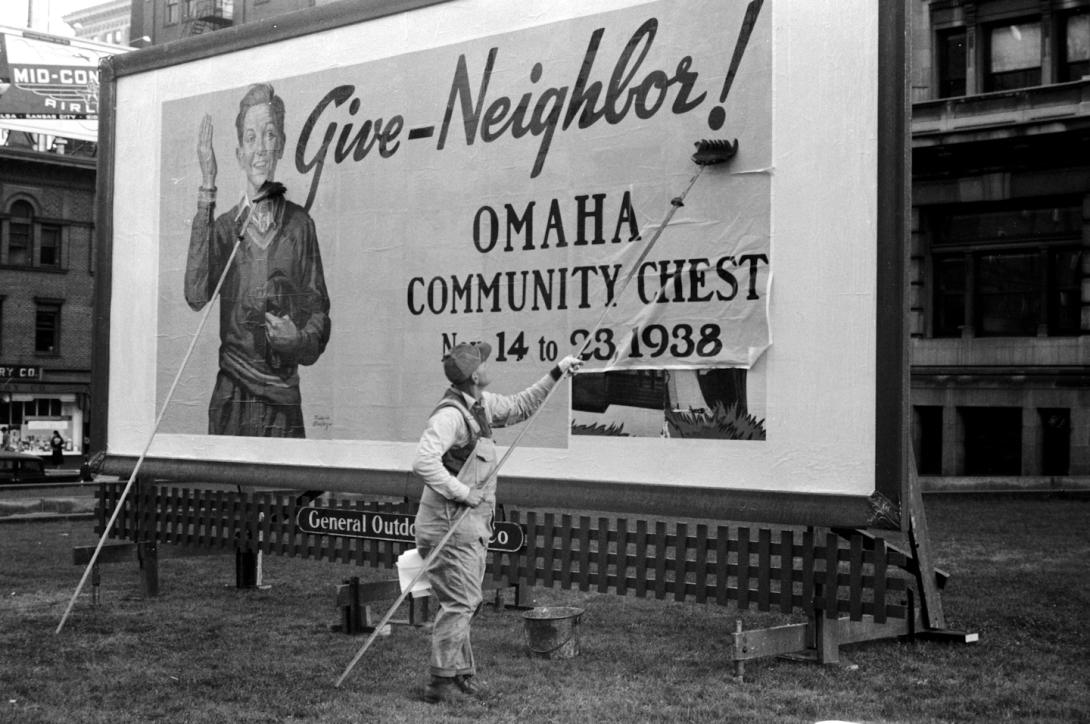
United Way has always believed in America's dreams. During the First World War, we organized as Community Chests. By the summer of 1918, volunteers in over 300 cities were raising funds through unified campaigns that demonstrated what Americans could accomplish together.
Since then, through every challenge – from World Wars to natural disasters to economic downturns – we’ve mobilized neighbors, businesses, and service providers to meet the moment and help create a brighter future for the communities we’re so deeply embedded in.
America has always dreamed big, and United is the Way we have helped to make her dreams come true.
Over the years, we have helped place more than 200 million books into the hands of young children because we believe in America’s hopes for her youngest. Stacked together, they would reach the sky, yet each one is placed gently into tiny hands because with a little imagination, those small hands will build the future.
And across the country, neighbors have learned that hope is never far away. Since 2000, when 211 was established, these three numbers have connected people to the support they need, receiving as many as 19 million calls in a single year. We are no longer Community Chests, but we still hold the hearts of the communities we serve.
We’ve been through a lot together, and now it’s time to celebrate.
As America turns 250, we stand united for the next 250, spreading the spirit of service and creating opportunities for everyone to thrive.
In addition to commemorating America’s 250th anniversary, this year also marks the 25th anniversary of the September 11 tragedy.
As we solemnly remember the events of that terrible day, we’re encouraging our neighbors to use their time and talents to make our communities better places for all!
Here are 3 ways you can get involved:
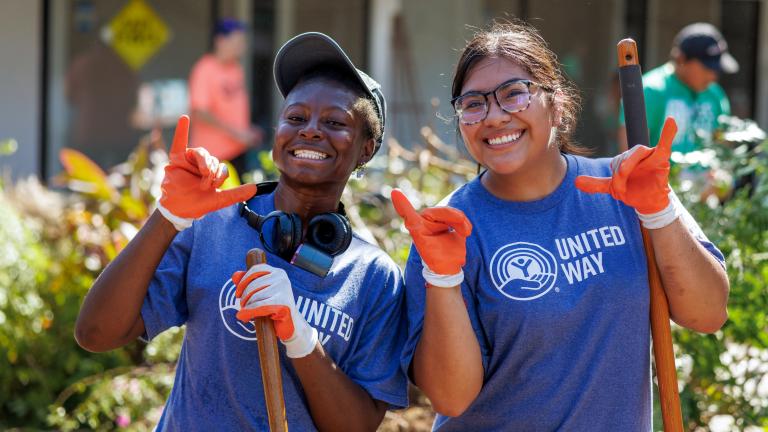
Every year, United Ways in the U.S. mobilize more than 700,000 volunteers. Join in and help your community and country.
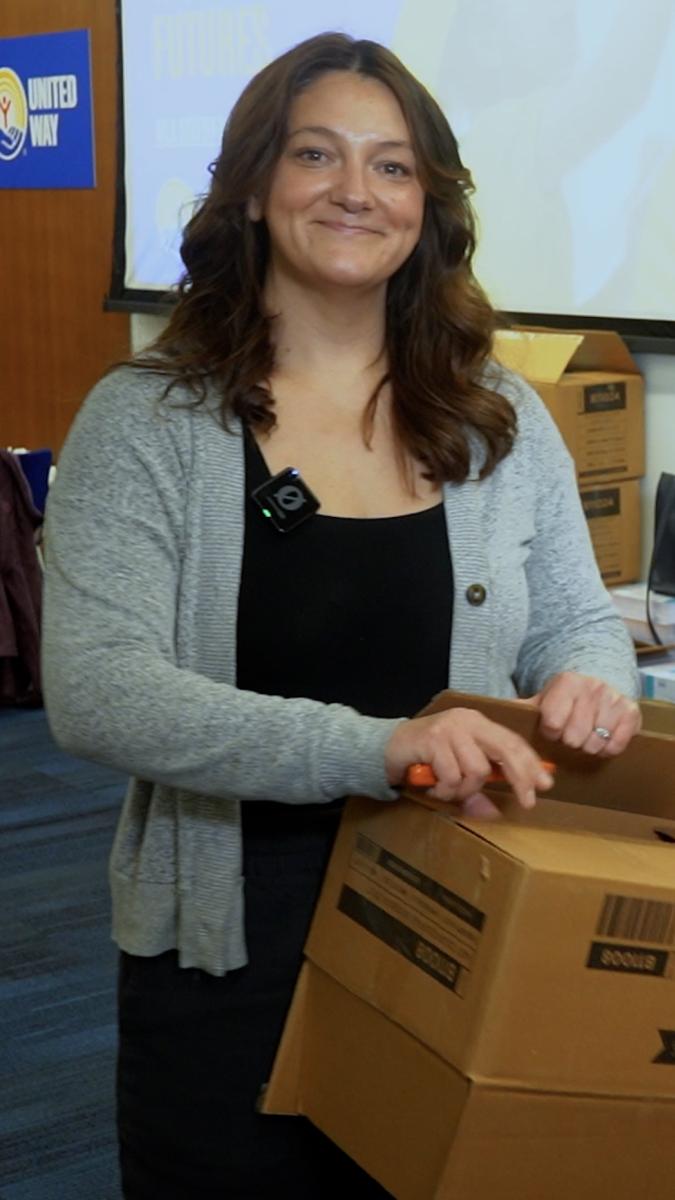
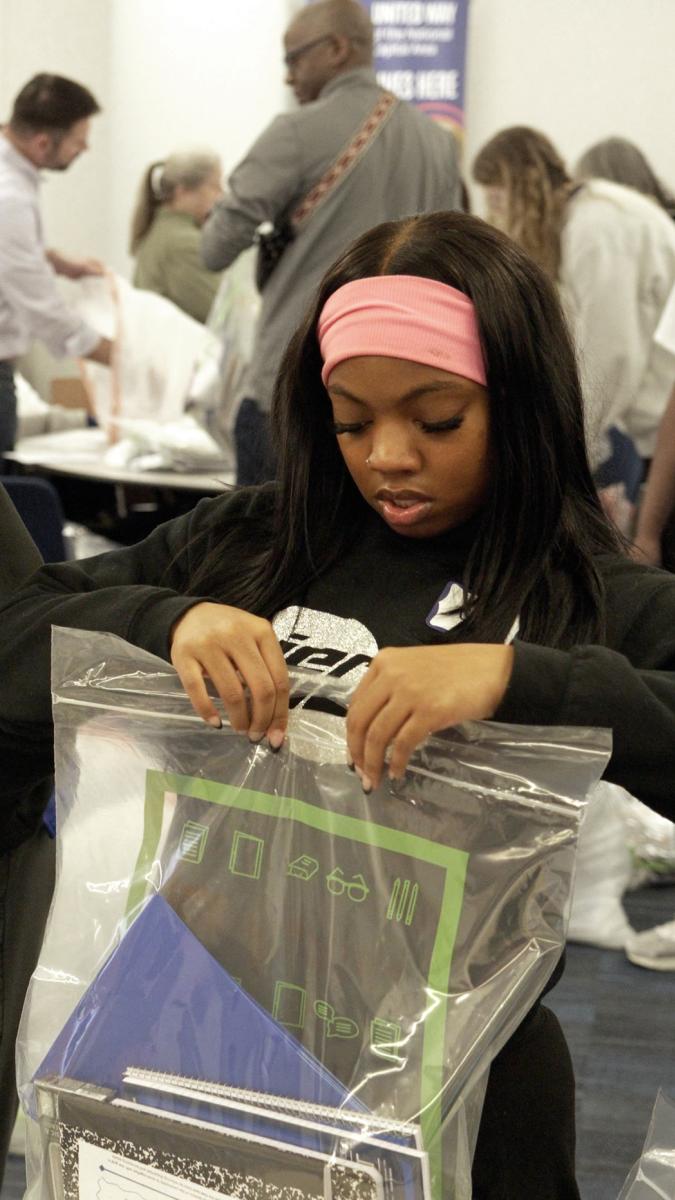
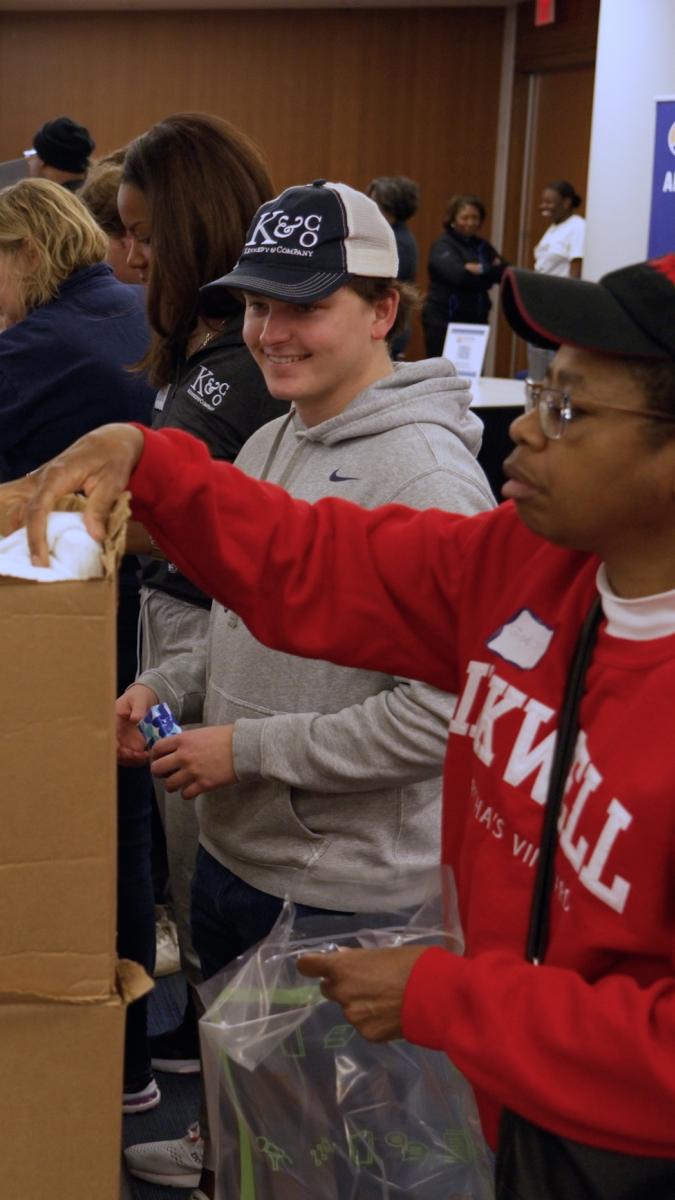
Volunteering is a meaningful way to connect with your community while supporting your own well-being. Learn more about the benefits of volunteering from participants at a Stuff the Bus event, where volunteers helped sort school supplies for students in need. To discover opportunities in your area and help celebrate the spirit of service in honor of America's 250th birthday, contact your local United Way and learn how you can get involved.
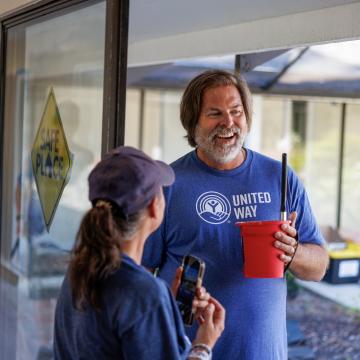
Not sure where to begin? Get tips on finding the right fit, using your skills, and listening to learn how you can truly make a difference.
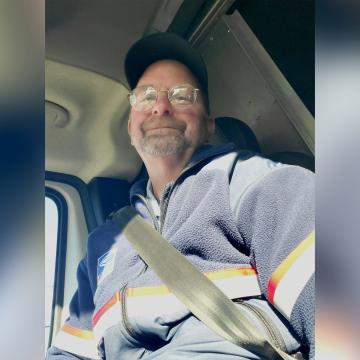
United Way is proud to stand with letter carriers as a founding partner of Stamp Out Hunger, which has grown into the nation’s largest one-day food drive.
What makes volunteering with United Way so special? Hear directly from volunteers as they share why they give back and the impact it has on their communities.
Get United Way updates and find out how to take action.