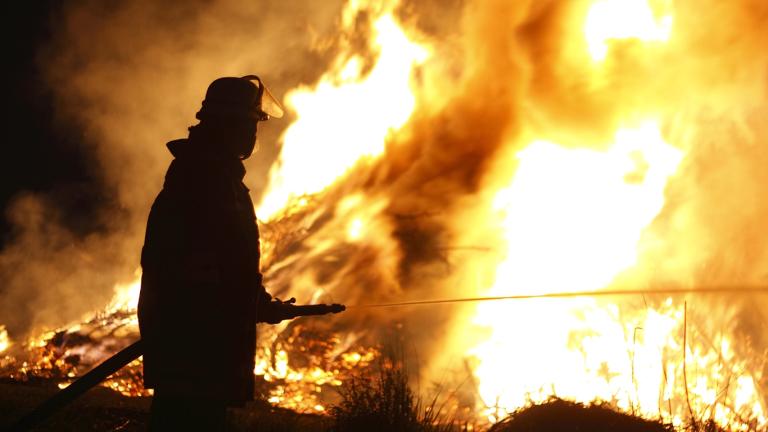
Fireman battling a blaze

Canadian Wildfires: 3 Ways United Ways and Centraides Were Ready to Respond

Across Canada, wildfire seasons are growing longer and less predictable. The speed of a community response often depends on what was already in place.
 

When wildfire alerts are issued, families sometimes have only minutes to get to safety. Just enough time to gather medications, important documents, pets and children before leaving home.

Overnight, community centers become reception sites. Neighbors open their doors to evacuees. Local organizations help families find meals, shelter and support.

This season, wildfires prompted evacuations in Fort Simpson, Wrigley, Fort Providence, and Whatì in the Northwest Territories. Across Canada, wildfire seasons are growing longer and less predictable. Communities facing evacuation are not always the ones expecting it.

When disaster strikes, the speed of a response often depends on what was already in place.

Three Ways United Ways and Centraides Were Ready to Respond

1. Building the Path for Help Before It's Needed
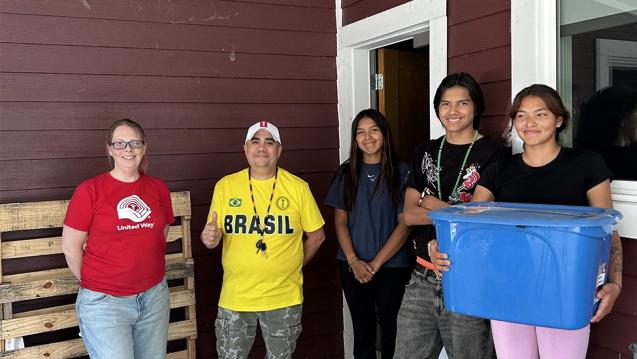
Volunteers holding food donations packed in boxes

In northwestern Ontario, United Way of Thunder Bay and the Thunder Bay Community Foundation created a joint wildfire fund, giving donors, workplaces and organizations one place to direct support.

Emergency needs change quickly. Communities may need transportation, food, hygiene supplies, wellness services or outreach support. Because the fund was developed with the City of Thunder Bay Community Support Table, Indigenous organizations and other local partners, decisions about funding are guided by the people closest to the need.

Recovery continues long after the fire is contained and families return home.
2. Helping People Prepare Before an Evacuation Order

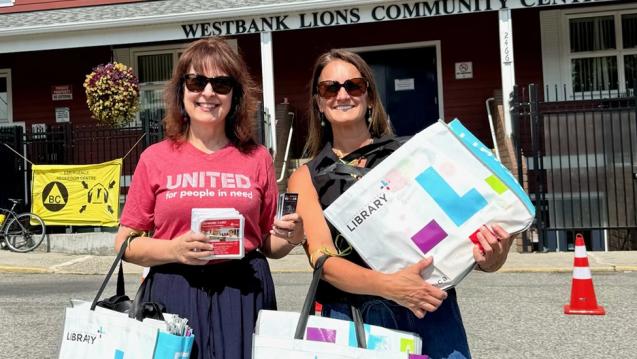
Library workers hold books to take to children evacuees

In British Columbia, United Way BC's wildfire response adapts as evacuation orders change. The organization helps fill urgent gaps for local agencies, while 211 British Columbia connects residents to emergency supports, mental health resources and practical information.

Preparation starts long before an evacuation order is issued. United Way works with seniors, families and host communities to create emergency plans and prepare evacuation kits before people need them.

At its best, preparedness becomes more than a checklist. It means knowing your neighbors, strengthening community connections and making plans while there is still time.
 

3. Moving Faster Because of Experience

In the Northwest Territories, United Way NWT activated its emergency response fund as evacuations began.

That response builds on lessons learned during the 2023 wildfire season, when more than $3.3 million reached communities through more than 130 emergency grants. Because systems and partnerships were already in place, local organizations could quickly access flexible funding and adjust support as conditions changed.

United Ways Centraides do not replace emergency services, governments or local leadership. They strengthen the connections between them by bringing partners together, mobilizing donors, listening to community organizations and helping resources reach people who are displaced, frightened or returning home to uncertainty.

Wildfire preparedness often goes unnoticed until it is needed. It can look like a fund created before every need is known, a phone line that helps someone find support, or an agency ready to respond because it is part of a strong community network.

Before the smoke arrives, United Ways and Centraides are helping communities build connections, trust and a plan for what comes next.

Community Resiliency

We believe there’s no challenge we can’t face when our communities stand together.