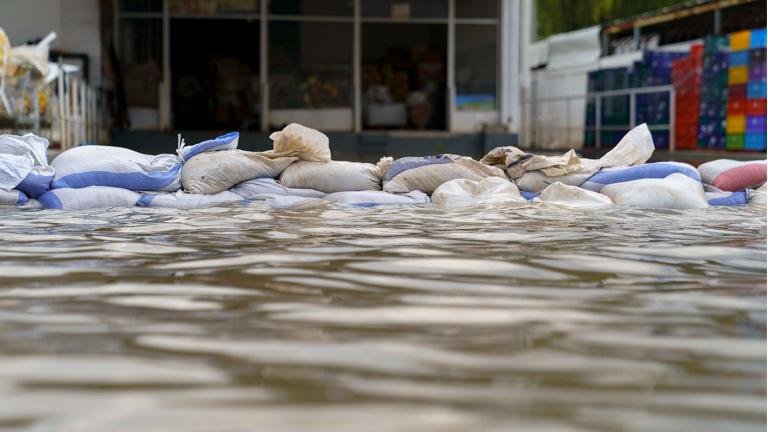
Sandbags and a flood

Preparing Your Business for Disasters: Free Steps to Take Now

You don't need a large budget to prepare your business for a disaster. From reviewing insurance coverage to creating employee contact lists, these six no-cost actions can help you reduce risk, protect your team, and recover more quickly when the unexpected happens.

Whether you run a child care center, retail shop, restaurant, or home-based business, being prepared for emergencies can make a big difference when severe weather, flooding, power outages, or other disasters occur.

That was the focus of a recent preparedness workshop in Philadelphia, part of the national United We Prepare initiative led by United Way Worldwide and supported by Verizon.

Emergency preparedness experts Dar'Rel Lucky and Bianca Garcia of the City of Philadelphia's Office of Emergency Management shared practical, no-cost steps small-business owners can take now to weather disasters and recover more quickly.

Amina Omar, who leads the United We Prepare work for United Way of Greater Philadelphia and Southern New Jersey, said the workshop is an example of how the program is bringing preparedness resources and expertise directly to local businesses and communities.

"We're sharing lessons on how we can strengthen our capacity to respond," Omar said. "As the saying goes, if you stay ready, you do not have to get ready."

Free Steps to Prepare Your Business for Disasters

1. Review Your Insurance Coverage

A woman sitting at a table looking at her laptop

Many small-business owners assume they're covered for disaster-related losses, but different policies cover different kinds of damage.

“Really talk to your insurance provider," Garcia said. "Ask them if you have flood coverage, if you have sewer coverage."

Do This Now: Call your insurance provider and ask one question: What disaster-related risks am I not currently covered for?"

2. Create an Employee Emergency Contact List

If your building, phone system, or computer network becomes unavailable, how will you reach your employees?

“It can be something as simple as a list with phone numbers or an Excel file," Garcia said. "Have it some place you won't have to look hard to find."

Do This Now: Create or update a contact list and save a copy somewhere besides your work computer.

3. Document Equipment and Inventory

Keeping a record of your equipment, supplies, and inventory can make filing insurance claims much easier after a disaster.

Photos, serial numbers, and purchase records can help speed recovery and replacement efforts.

Do This Now: Walk through your business and take photos of major equipment, inventory, and workspaces.

4. Practice Evacuation and Shelter-in-Place Procedures

A woman reviewing a list in an evacuation drill

Make sure employees know where to go, who to contact, and what to do during different types of emergencies.

Do This Now: Spend 15 minutes at your next staff meeting reviewing evacuation and shelter-in-place procedures.
 

5. Plan for a Temporary Closure

Flooding, fire, or storm damage could make your building unusable for days or weeks.

Thinking through alternative work locations, remote options, and customer communications ahead of time can help reduce downtime.

Do This Now: Identify one alternate location or method you could use to continue serving customers if your building were inaccessible.

6. Ask About Backup Utility Options

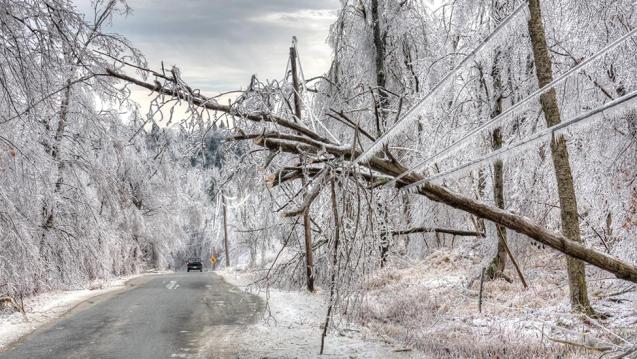
A fallen tree on a power line during an ice story

Contacting providers before an emergency can help you understand available backup options and recovery timelines.

Do This Now: Save your utility providers' emergency contact numbers and ask about outage alerts or backup services.

Disaster Resilience Courses

For small business owners looking to ready their business for the unexpected, explore the short Disaster Resilience courses on Verizon's Small Business Digital Ready. Coursework will help business owners identify risks, develop readiness plans and build upon these six no cost tips. 

United We Prepare

Learn more about United We Prepare and access preparedness resources to help your business, organization, and family stay ready for emergencies.