Nine Mistakes to Avoid This Storm Season
Review these expert tips to be storm-ready
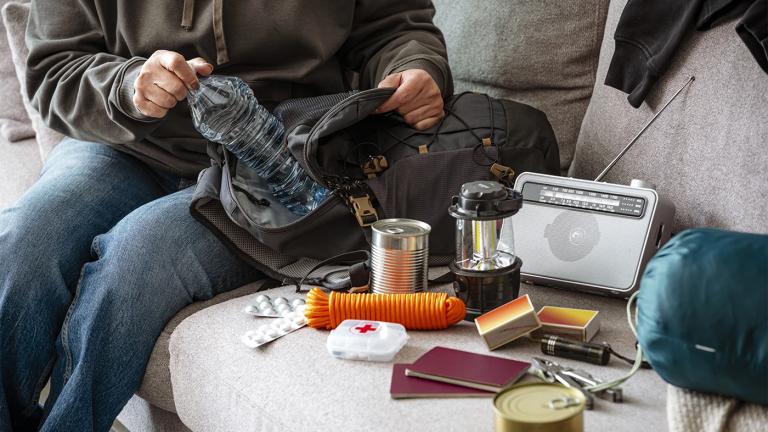
Gather key items, like medications and a first aid kit, before a storm hits.
Severe weather is a fact of life across much of the U.S. — from thunderstorms and tornadoes to flooding, hurricanes, and winter storms.
A recent MarthaStewart.com feature asked emergency experts, including Marcus Coleman, vice president of community resilience strategy at United Way Worldwide, to identify the most common mistakes people make before, during, and after a storm and what to do instead. Here are the highlights.
Before the storm
1. Waiting too long to get organized
Don't wait for a warning to start preparing. Coleman advises keeping a bag packed and ready with:
- Medications
- Phone charger
- Flashlight and batteries
- Cash
- First aid kit
2. Overlooking vital records
Gather and safeguard copies of important medical records and a current medication list before disaster strikes.
Coleman suggests creating a medical information folder (insurance cards, emergency contacts, vaccination records, care plans), keeping both a printed copy in your emergency kit and a digital copy on your phone, and storing secure backups in encrypted cloud storage or on a USB drive in a waterproof container.
3. Not making a plan with your support network
“Make a list of people you may rely on during an emergency, such as family, neighbors, friends, and faith community members,” Coleman says. “Include an out-of-area emergency contact.”
Share key information with those contacts, discuss temporary housing options with relatives in another city or state, and set up check-in procedures so everyone knows how to report that they're safe.
During the storm
When extreme weather hits, remember the four C's: stay cool, calm, collected, and connected — and avoid these mistakes.
4. Assuming emergency services are available
Don't count on 911 being reachable during a major event.
“Consider contacting 211, a 24/7, three-digit helpline which can provide information on evacuation routes, shelters, and other local resources,” Coleman says.
“It can connect people to local health and human services support and resources in the immediate aftermath of a disaster, as well as for their long-term recovery needs.”
5. Ignoring official guidance
Follow the instructions of local officials and take both shelter-in-place and evacuation orders seriously.
After the storm
6. Underestimating the power of connection
Coleman says social connectedness is one of the most overlooked — and most powerful — factors in recovery:
“Check in with neighbors, friends, and family to share tips and discuss who might need extra help in an emergency. Communities don't recover from disasters through infrastructure alone. They recover through relationships, trust, and people looking out for one another.”
7. Misunderstanding assistance
Many survivors underestimate the timing of when disaster aid becomes available, don't register for assistance they're entitled to, or fail to appeal denials that could be revisited. Know your rights and set reminders for any claim or application deadlines.
8. Ignoring free help
Free disaster financial counseling and legal aid services are often available — and underused.
“Local nonprofits like United Way are present in communities before, during, and after disasters strike,” Coleman says. “Visit UnitedWay.org to find your local United Way and access available resources for disaster relief and recovery.”
9. Going it alone
Preparation and connection save lives. Build your kit, safeguard your records, know your contacts, and lean on the people and organizations around you — before, during, and after the storm.
Get Prepared Now
United We Prepare — a partnership between United Way and Verizon — helps communities get ready before disaster strikes. Start with five simple steps or find a preparedness program near you.