Image
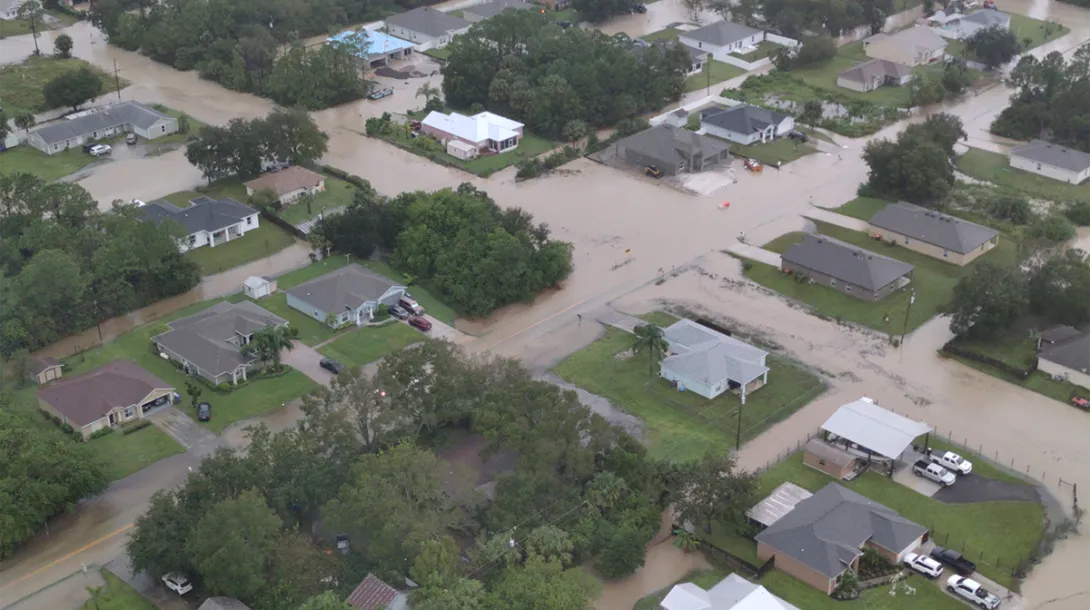
United Way of Indian River County's new Mobile Community Resilience Unit helps residents recover from Florida floods
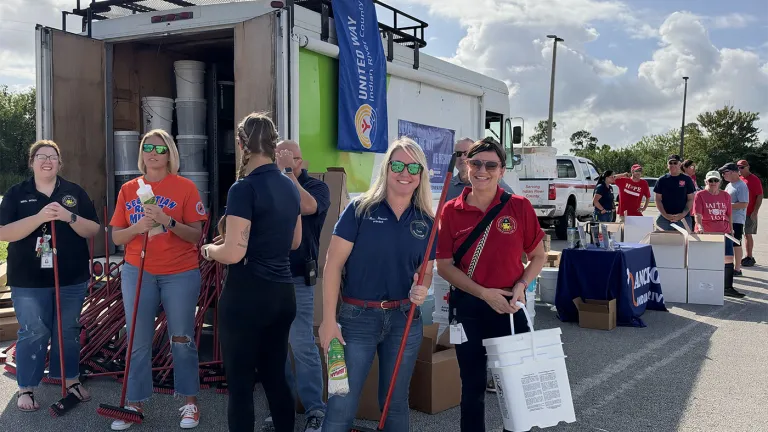
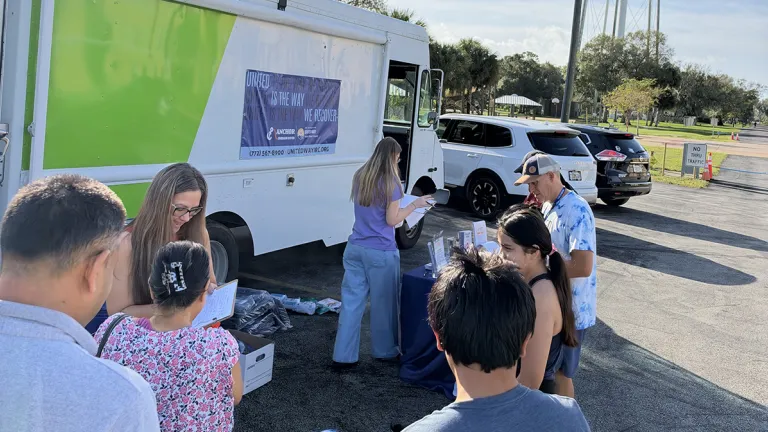
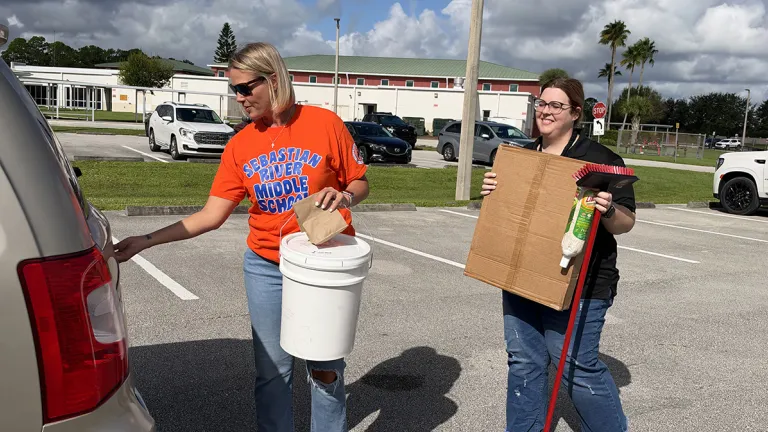
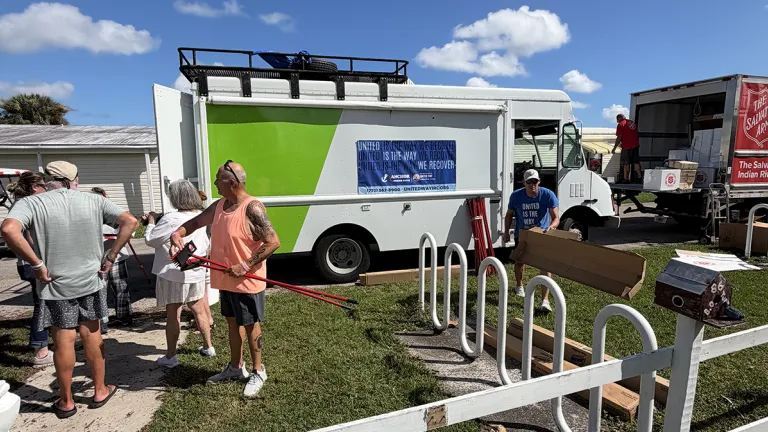
After severe flooding impacted parts of Florida, United Way of Indian River County's new Mobile Community Resilience Unit delivered water, food boxes, tarps, muck buckets, and cleaning supplies to more than 360 households, taking the supplies directly into impacted neighborhoods.
As torrential rain inundated parts of Florida, severe flooding transformed daily life in Indian River County. Roads became impassable, schools closed and some residents found themselves cut off from essential supplies and services.
Even as the waters receded, many families still needed meals, muck buckets, tarps, and other resources to begin the recovery process.
That's where United Way of Indian River County's new Mobile Community Resilience Unit made a difference.
“The mobile unit let us bring relief to people instead of asking them to come to us," said Meredith Egan, CEO of United Way of Indian River County. “After a flood, the families who need help most are often the ones who can't get to a fixed distribution site. Their cars may be flooded, roads may be closed, or they may be without gas, childcare, or time off work."
During the flooding, the unit delivered water, food boxes, tarps, muck buckets and cleaning supplies to more than 360 households in Fellsmere, Vero Lake Estates, Sebastian, South County, and several isolated mobile home communities.
Made possible through a community readiness grant funded by Verizon through United We Prepare, a United Way Worldwide initiative, the Mobile Community Resilience Unit helps communities strengthen disaster response and build community resilience.
“Now we can respond where the need is, move as it shifts, and meet people with the information and connections they need on the spot," Egan said. “That kind of presence also builds trust, which matters when people are stressed and unsure where to turn."
Designed to help meet immediate needs during emergencies, the mobile unit can help deliver supplies, support volunteers and connect people with the help they need to recover.
But its work doesn't stop when the immediate crisis ends.
Between disasters, the unit will also provide preparedness workshops, disaster preparedness kits, hurricane readiness information and connections to local resources. Families can learn how to build an emergency kit, create a household emergency plan and prepare for severe weather before it arrives.
“The unit will be a year-round tool, not just an emergency one," Egan said. “Between disasters, we can take preparedness resources and education directly into neighborhoods, especially in areas where residents are least likely to hear about them through other channels."
There are also plans to equip the unit with Wi-Fi and additional tools that will allow it to connect residents with services and support both before and after disasters.
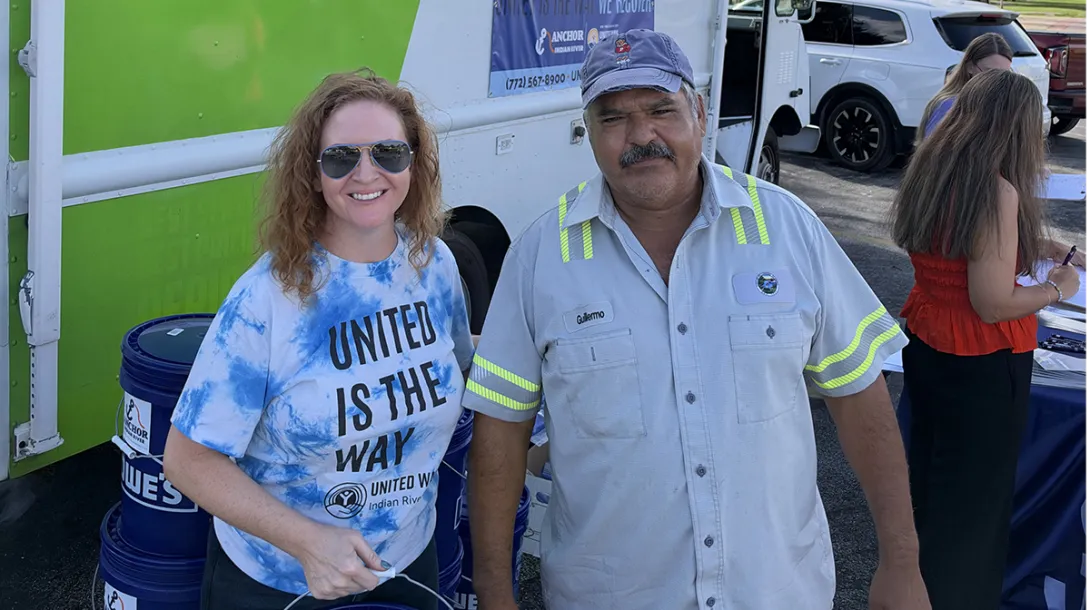
A key benefit of the mobile unit is the ability to reach residents who may face barriers to accessing preparedness resources. This includes working families who struggle to afford basic necessities, older adults, caregivers, and underserved communities throughout the county.
For many residents, preparedness isn't always as simple as stocking supplies or attending a workshop. Transportation challenges, limited resources and competing priorities can make it harder to prepare for emergencies before they occur.
This is often the case for ALICE families. ALICE stands for Asset Limited, Income Constrained, Employed and describes households that earn above the federal poverty level but still struggle to afford basics like housing, childcare, food, transportation, and healthcare.
“ALICE households work hard but often have little financial cushion," Egan said. “A few days of lost wages, a damaged car or a flooded apartment can set a family back for years."
By taking resources directly into neighborhoods, the mobile unit helps ensure more residents have access to the information and support they need to stay safe and recover more quickly.
Following Hurricane Milton, United Way of Indian River County launched a community-wide coalition called ANCHOR, short for Action Network for Community Hope & Organized Recovery. Through ANCHOR, nonprofits, government agencies, businesses, and faith communities work together to strengthen preparedness, response and recovery efforts across the county.
That network of partners was crucial during the recent flooding.
“No single organization can do this alone," Egan said. “Partnerships let us combine strengths and get resources to the right places faster."
During the flood response, United Way of Indian River County worked alongside partners including the Salvation Army and the School District of Indian River County to distribute supplies and support affected residents.
“Resilience is built on those relationships," Egan said. “And they're strongest when they exist before the storm."
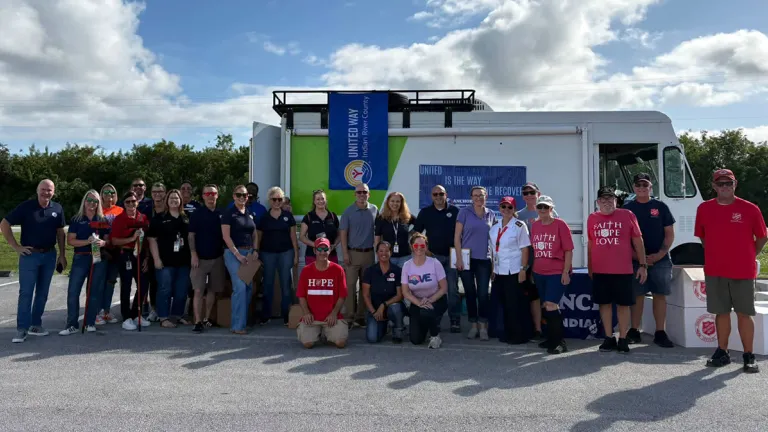
United Way helps communities build that resilience through the 211 helpline, disaster preparedness and response, and long-term recovery support.