Two women walking down a rural road
Healthy Community

5 Realities Facing America's Caregivers and How United Way Helps

Caregivers make doctors’ appointments, refill prescriptions, and juggle full-time jobs. America’s 63 million caregivers are holding families together, caring for an adult or a child with a complex medical condition or a disability.

A 2025 report from AARP and the National Alliance for Caregiving confirms what many already feel: social support systems are breaking. But across communities, United Way is helping build a response that centers caregivers and strengthens families.  

Here are five urgent issues affecting caregiving in 2025 and how United Way is stepping in:

1. Caregiving is Complex and Growing Fast

Since 2015, 20 million more Americans have become caregivers. Many are managing multiple conditions, health systems, and services. United Way’s 211 connects caregivers to food, housing, health services, and more. Some locations offer caregiver-specific navigation or care coordination pilots. Anyone who needs help can call 211 and find support.   

2. Financial Strain Is a Breaking Point

A family looking at their finances in the living room

Half of caregivers report debt or unmet basic needs. The average caregiver spends $7,200 out of pocket annually. Through Volunteer Income Tax Assistance, benefits enrollment, and emergency relief, local United Ways are helping families stabilize. In some states, United Ways are also advocating for caregiver tax credits and paid leave.  

3. Caregivers' Own Health is Declining

Nearly 1 in 5 report poor health. Mental stress continues to rise.  

United Ways across the U.S. are responding with caregiver support groups, mental health workshops, and wellness check-ins via trusted community hubs. You can learn more about caring for yourself here.  

4. The Sandwich Generation Is Under Pressure

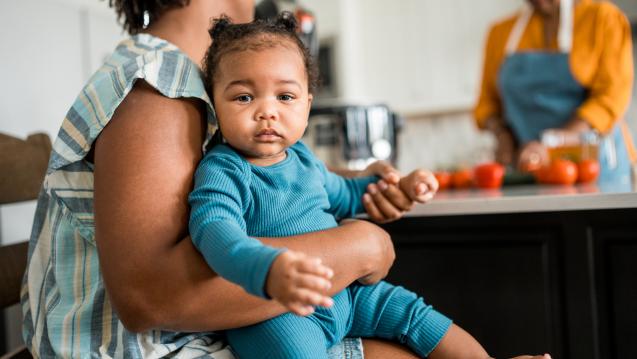
A baby in the lap of an adult

1 in 3 caregivers is also raising children. Through family resource centers, community schools, and childcare programs, United Way helps multigenerational households manage the impossible.  

5. Caregivers Aren't Getting the Training They Need

Despite handling medical tasks and the basic tasks people do every day to take care of themselves — like bathing, getting dressed, eating, and moving around safely — only 11% of caregivers receive formal training. United Ways are bridging this gap.  

In North Central Florida, the “Caring for the Caregiver” series teaches hands-on skills and builds peer support. In Rhode Island, United Way connects families to respite care and educational workshops.   

Caregivers sacrifice so much of themselves to ensure the wellbeing of their family members, and in the process, they make our communities stronger and more resilient. At United Way, we see them, we value them, and we’re working to expand caregiver support networks so that they never have to face their challenges alone.