What Is A Community School?
Community Schools are places of learning. But they’re also hubs of support and opportunity that serve students, families, and the wider neighborhood alike.
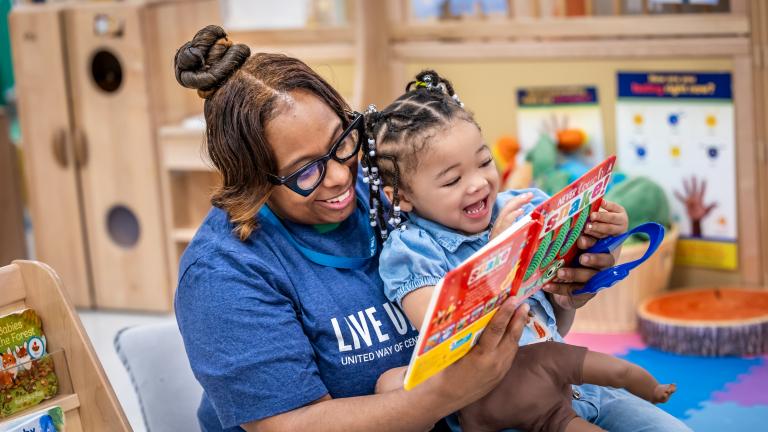
In Baltimore City, six United Way Community Schools function like mini United Way hubs. They bring together essential resources such as housing support, food access, and health services so students can thrive in and out of the classroom. Families and school staff benefit too, creating stronger support systems and more resilient communities.
As Heidi Stevens, Senior Director of Community Schools at United Way of Central Maryland, explains, “A Community School is a place where you can get your needs met—not just the student, but the family, the school staff, the community. It's also a place where we can level the playing field to ensure students receive an equitable education.”
This model prioritizes connection. Community Schools partner with nonprofits, social service agencies, and volunteers to meet real needs. This means helping families access stable and safe housing. It means making sure students have enough to eat and that caregivers can find GED programs, job readiness training, or mental health services right at their child’s school.
Across the United Way of Central Maryland Community Schools in Baltimore, this model has reached 3,694 students, built 203 active partnerships, and engaged 734 volunteers. Together, those connections generated significant donations during the last school year, resources that go directly into schools and neighborhoods.
Every Community School works around five key pillars:
- Education Enhancement: Expanded learning is key to education enhancement, bringing lessons to life through hands-on experiences, tutoring, mentoring, and exposure to new opportunities.
- College and Career Readiness: Preparing students for life after high school, whether their next step is college or career. Community Schools equip students for multiple pathways, through early college-level courses, CTE courses, career certifications, and workforce development programs.
- Health and Wellness: Community Schools provide supports for families to address their mental, socio-emotional, and physical health through a variety of programs, including immunizations, food access, well-child visits, dental and vision care, and grief counseling.
- Youth Enrichment: Students receive exposure to enriching activities that supplement their education to help them develop essential life skills like leadership and advocacy. Youth enrichment also includes sports, art, music, and participation in various clubs.
- Community and Family Engagement: Community School Coordinators work collaboratively with individuals and families to co-create solutions to challenges and strengthen assets to advance the overall community.
What truly sets Community Schools apart is that they center family voices. A traditional school might stop at academics and extracurricular activities. A Community School asks: What’s standing in the way of success, and how do we remove it?
“When you build your well before you need the water,” says Stevens, “the quicker you can establish relationships established with those families, the stronger your school will be.”
When we engage families from the start, schools are stronger. Parents become advocates, students see possibilities, and communities unite to support their most valuable resource: children.
Promoting Community Success
Find out how United Way of Central Maryland's Community Schools program strengthens families and nurtures healthier communities.