United Ways Across Mississippi Respond to Winter Storm Fern
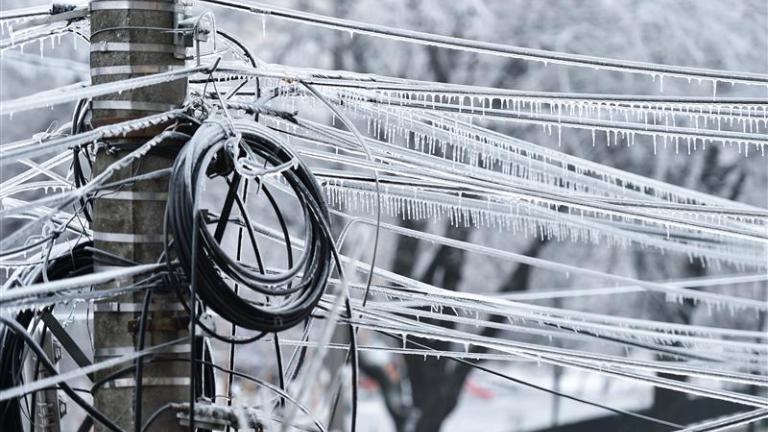
When Winter Storm Fern hit Mississippi, the impact wasn't the same everywhere. Some areas saw a few days of power outages. Others endured bitter cold, frozen pipes, collapsed water systems, and infrastructure failures that lasted for weeks.
This is the story of several United Ways in Mississippi that helped their communities respond where the storm hit hardest, not just with information or funding, but with hands-on coordination, local trust, and community-led care.
United Way of Oxford-Lafayette County
Kurt Brummett, Executive Director of United Way of Oxford-Lafayette County, saw early that this storm would stretch the community. "There was no way to fully prepare given the widespread impact," he said. "Roads were blocked or untravellable. Water systems were shut down. Cell phone service was limited. People went days without heat and electricity, and several remain without weeks later. Most of our community was in the dark."
His office didn't regain power until late in the week. Community partners felt the strain too. "Family Crisis Services of Northwest Mississippi had a significant water leak," Kurt said. "They were dealing with damage at their office while still trying to serve people, which was true of many entities as well as individuals who sought to help their neighbors in need as they themselves were affected."
During the outage, Kurt checked messages and returned calls to help residents find warming centers and services still operating. He also shared information online to help residents know of available resources and opportunities to serve.
"Before we officially launched a disaster fund, people were already donating for that purpose," he said. "They trust our United Way because they know we care about and invest in our community."
For Kurt, that trust shaped the response. "Our role is to connect people to resources and one another as we help build a better tomorrow each and every day. United is our way.”
United Way of the Pine Belt Region
In the Pine Belt, the storm revealed deep vulnerability among older adults and families living on fixed incomes.
"We've had temperatures in the low teens that lasted more than a week," said Betsy Ivey, Executive Director of United Way of the Pine Belt Region. "That's really rare for us. We have elderly people living on Social Security who are terrified to run the heat because they are afraid of the power bill."
One woman was identified through a law enforcement wellness check. "She lived just not far from our office," said Kim Duckworth, a United Way volunteer. "And yet we didn't know anything about her until that call."
The woman had not turned on her lights or heat. United Way stepped in with food and supplies. Kim offered additional help. "I've worked maintenance my whole life," she said. "Plumbing, electrical, HVAC. I told her I would come wrap her pipes so they wouldn't freeze."
Volunteers like Kim bring more than goodwill. They bring skills, experience, and a willingness to show up when their neighbors need them most.
Betsy had already been assembling warming bags before the storm hit, and Fern showed why that preparation mattered. "They include toboggans, gloves, socks, hot hands, and a new blanket," she said. "Now law enforcement keeps them in the back of cruisers. EMTs carry them in ambulances. We even placed some at the hospital."
Her United Way's Dignity Closet, which holds toiletries, food, and basic supplies, became even more important during the crisis. "We decided we were not sending anyone away empty-handed," she said. "They may not get exactly what they came for, but they leave with a bag of dignity."
United Way of Washington County
In Washington County, United Way leader Nathan Benzing saw the storm reach into his own home. "My daughter's friends stayed with us for days," he said. "Their houses had no heat. The roads were iced over. We made space and made it work."
While his own family found ways to adapt, Nathan was also coordinating support for Sacred Space in nearby Greenville, a partner organization that serves people experiencing homelessness. "We had to move fast," he said. "We worked with churches, fire departments, and community groups to open warming locations. We made sure Sacred Space had what they needed."
Sacred Space, led by Crystal and Chris Bush and the Sacred Space team, expanded operations immediately. "We normally house around 30 people a night," Crystal said. "During the storm, we had up to 70."
The shelter brought in extra cots, bedding, toiletries, and food. United Way funding helped cover those needs. "They saw what was happening and sent support right away," Crystal said.
The response extended beyond the shelter. "Some of our guys and my husband went out in a four-wheel drive," she said. "They pulled people out of ditches. Delta Health would call when someone came in with frostbite, and we would provide transportation."
One call stood out.
"We heard families in Grace were burning their clothes to stay warm," she said. "We had a fallen tree on our property. We cut it up, loaded it on a trailer, and delivered firewood. We brought hot soup and food too."
United Way made sure Sacred Space had what it needed to respond in real time. "They asked what we needed. Shelf-stable meals, blankets, they made it happen," Crystal said. "We're not a big organization, but we're deeply rooted. And our local United Way knows who's in the trenches."
Across Mississippi, United Way teams responded by drawing on deep local knowledge and trusted relationships. They coordinated with police departments, hospitals, shelters, and volunteers. They supported partners already doing the work. And when the usual systems couldn't keep up, they stepped in to fill the gaps.
"It wasn't something we planned for," Kim said. "But when someone is cold and alone, you act."