Image
How a four-woman United Way stood up to multiple storms
In Hernando County, Florida, the disasters didn’t arrive all at once. They stacked up.
A year after Hurricane Idalia, requests for basic needs were still trickling in. Then Hurricane Helene struck with a 6-10 foot storm surge that swallowed parts of the western coast. A week after relief began in the Weeki Wachee area, the team had to pack everything up. Hurricane Milton was on its way.
“Real long-term recovery is a new experience for so many of us at a county level and not only that, but having to respond to back-to-back disasters,” says Angie Bonfardino, Executive Director of United Way of Hernando County.
Real long-term recovery is a new experience for so many of us at a county level and not only that, but having to respond to back-to-back disasters.
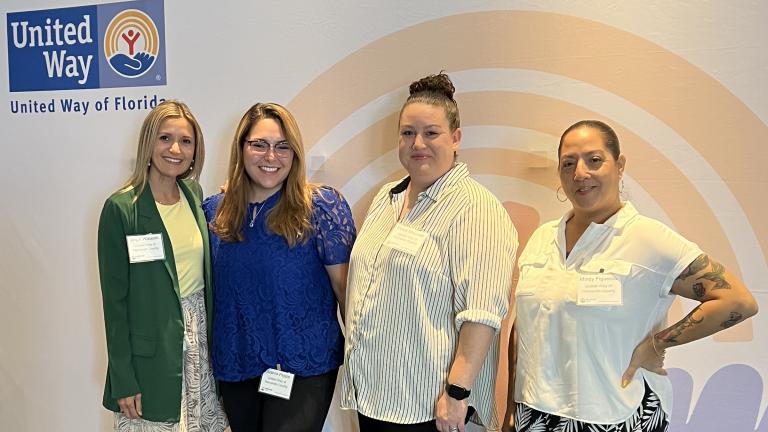
And it was a tall order for the team of four: Angie, Community Impact Director Justine Peppe, Program Care Coordinator Mindy Figueroa, and Finance Director Cyndi Gleusner. All four are local and stayed in the trenches as their county shifted from crisis to recovery.
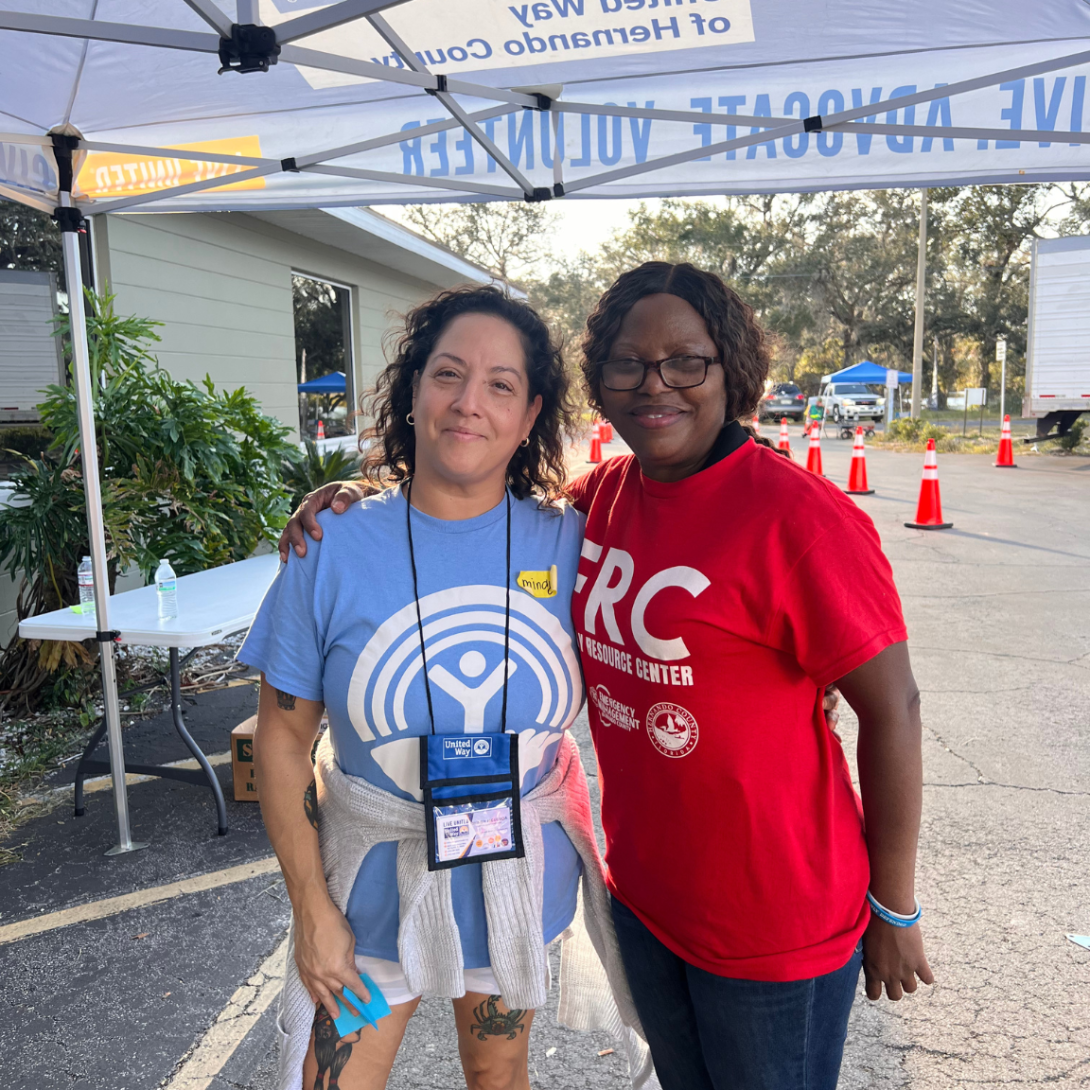
In the early days, the need was urgent and overwhelming. United Way of Hernando County rallied volunteers to support their Family Resource Centers after both hurricanes, first in Weeki Wachee, then in Ridge Manor. Hundreds of residents came for clothing, hygiene products, cleaning supplies, and basic comfort. “It became a one stop shop for everything recovery,” Angie said. “We had comfort stations with mobile laundries and porta-potties. We had hot meals for breakfast, lunch and dinner.” In those early weeks, the team also helped residents with debris removal, apply for FEMA assistance, answer eligibility questions, and understand what next steps to take. Angie believes strong relationships with their local Hernando Emergency Management are at the core of successful response and recovery. “We have direct relationships with our EM, and that is the first thing I recommend when speaking to other communities about their efforts,” she said. “They know our names. They know that we're going to show up. They know we're going to respond. It’s all about trust to get done what needs to get done.”
Hernando County stretches from the Gulf Coast to the forested, river-lined eastern border. Each geography brought its own challenges. The storm surge from Hurricane Helene was fast and familiar. “Our Weeki Wachee area, they experience some sort of damage almost every storm season. They’re accustomed to hurricanes,” Justine explained. “A lot of us knew what to expect — drywall, muck and gut, and clean-up started right away.”
But the east side of the county had never seen anything like the Withlacoochee River flooding days after Hurricane Milton left. The water rose to 19.4 feet and didn’t recede for what felt like an eternity. Homes became islands. “There’s no amount of bleach that would have helped,” Angie said. The houses were all condemned.
Justine noted the deeper challenge. “Those families had never experienced or would never expect anything like that to ever happen. Understanding where those families were coming from during that time was important.”
Hernando’s varied regions also required different approaches. The east faced challenges of isolation, infrastructure gaps, and logistical complexity. Angie says Hernando County’s east side is a suburban-rural mix, with many retirees who are uninsured and unaware they even live in a designated Flood Zone.” At the same time, the team had to focus on the county’s economic recovery, especially for businesses like the restaurants along Hernando Beach. “Wraparound resources at our Family Resource Centers (FRCs) included partners from CareerSource, short-term employment, SNAP benefits, or if they need unemployment support,” Angie says.
The entire team is Mental Health First Aiders. They’re trained, and it showed up in subtle ways — like how they pause, how they listen, how they assess needs beyond the paperwork. Angie explains that “it’s stressful for individuals experiencing crisis in blue skies, let alone when your house has been completely destroyed.”
One resident came to the Family Resource Center in tears. Her ex-husband had refused to evacuate. The home was unlivable, and he was struggling with alcohol addiction. “We just simply walked outside together. I sat in her truck with her and I was like, let’s get him the help that he needs,” Angie said. “So I quickly called our partners over at the National Alliance on Mental Illness, passed my cell phone along to her, and they spent a forty-five-minute conversation on just all the ins and outs, next steps, and support services.”
Angie’s intervention on that day looked a lot like Mindy’s full-time job. As the team’s Program Care Coordinator, she plays a crucial role in this kind of response. “She’s the one that sits down, listens with people, understands exactly where they’re coming from and helps come up with a plan together,” Angie said.
These are interventions that don’t appear on FEMA dashboards or grant spreadsheets. But they’re central to recovery.
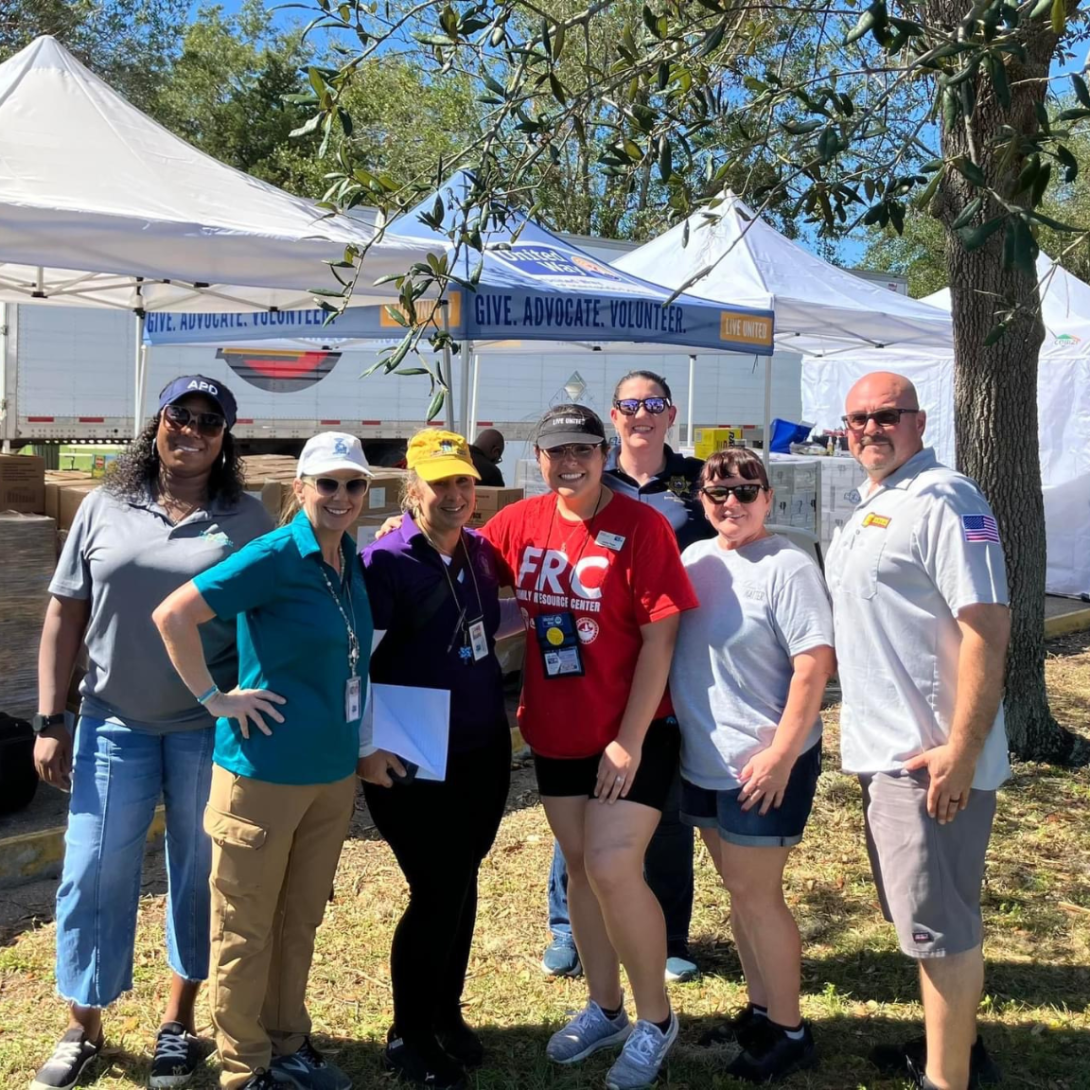
The long-term recovery phase brought formal partnerships and federal aid, but the emotional engine of the response remained the same. United Way chairs Hernando’s Long-Term Recovery Group, helps approve donated travel trailer units, invests in unmet needs cases, and coordinates wraparound care for residents in temporary housing. Cyndi, the team’s Finance Director, is responsible for ensuring every dollar is tracked and accounted for. Her work is what allows the rest of the team to respond quickly, knowing resources are being managed transparently and responsibly.
The stories prove that, like the 89-year-old woman who had been sleeping in the front seat of her car since Hurricane Helene. She was reluctant to accept help. Her grandson had nearly died after being injured while clearing storm debris. Hernando's disaster case management team tracked her down and expedited her case. A travel trailer was delivered that same night. United Way covered the cost of towing, plumbing, electrical connections, and title transfer. She now has a place to live while working toward rebuilding her home.
Or the man in Ridge Manor whose rented room became an island when the Withlacoochee rose above seven feet. He followed every protocol: applied for FEMA aid, documented the damage, and tried to keep working nights. But his car gave out. Rent fell behind. United Way stepped in, offering rent support and case management while he worked on car repairs. It was a second chance, day by day.
“I’ll never forget meeting this particular gentlemen out in Ridge Manor. When the Withlacoochee River had yet to crest and the water was quickly rising each day closer to their front door, his elderly mother refused to leave their home,” Justine recalled. “It was out of fear. It was out of discomfort of being displaced. But their physical and mental safety and stability is our end-goal. So I asked to speak to her on the phone. I said, ‘You’re going to be okay. We’re not going anywhere.’ They safely evacuated the next day.”
That’s the difference. The United Way team doesn’t leave when the roads reopen, because Hernando is their home too. “We’re constantly referencing ourselves as critical knowledge experts,” Angie said. “It’s a matter of knowing who to connect with, who to call, who to text, who to refer to,” and no one does it better than they do.
Learn more about how United Way is helping communities rebuild and recover after disasters.