Image
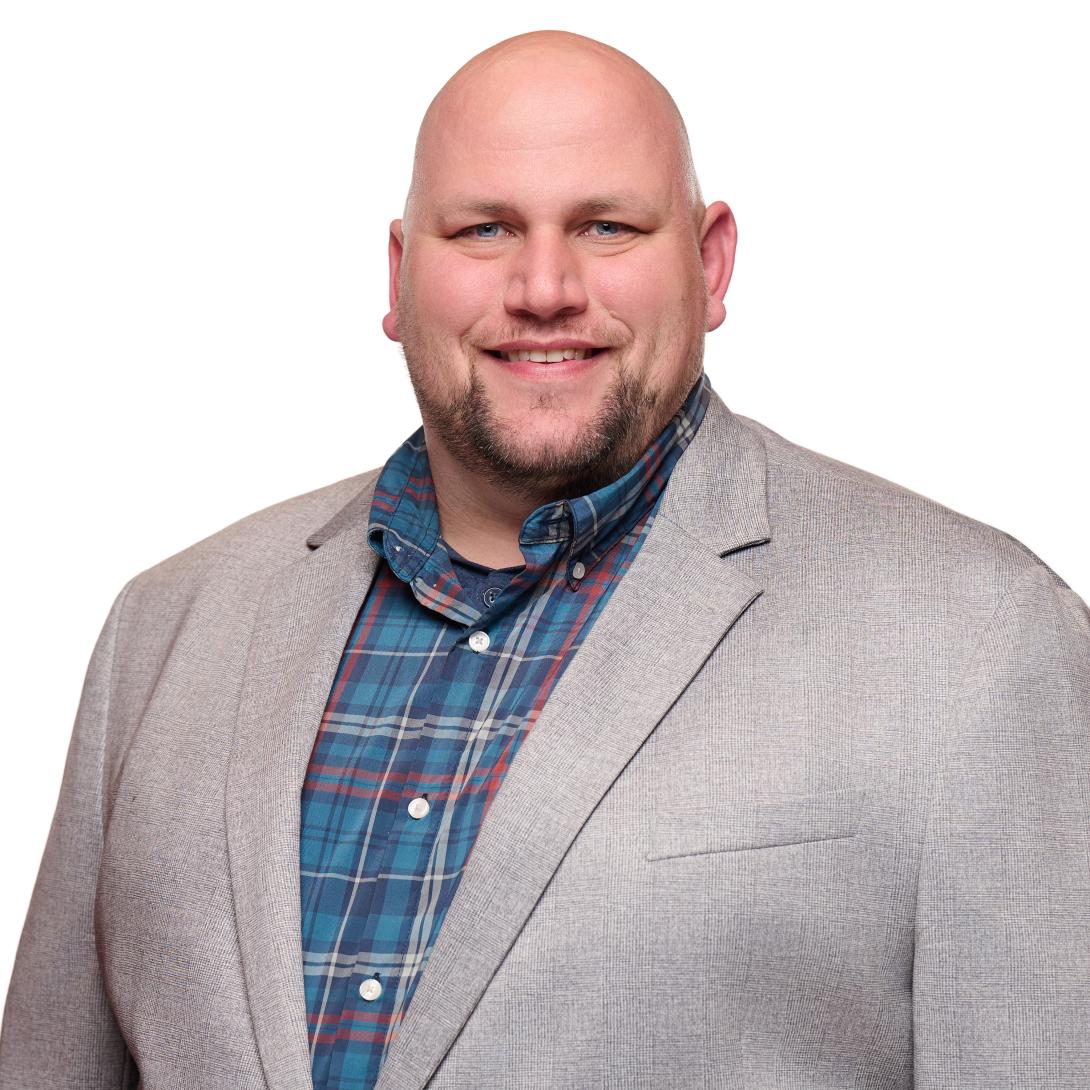
Chris and Jen meet people where they are, so everyone has the chance to thrive.
Chris met Graham* in his kitchen. It wasn’t a typical office or clinic visit. Graham had unmanaged Type 2 diabetes and didn’t feel comfortable going to the doctor. But here, over a slow cooker and a shared recipe book, he was starting to imagine a new future, one where health wasn’t just something he heard about at the doctor’s office, but something he and his wife could cook up together.
Chris Burks is a community health worker, or CHW, connected through a United Way–supported Great Rivers HUB. As he puts it, the HUB is like "air traffic control for community health," helping to identify people who might otherwise fall through the cracks and connecting them to CHWs in the community. The HUB doesn’t just coordinate care. It also educates, equips, and uplifts the CHWs who do the work on the ground.
Chris was the first CHW ever hired by the local YMCA through a HUB-funded grant. His focus began with supporting individuals living with unmanaged diabetes. He educated clients, supported healthy behavior changes, and in Graham’s case, helped him and his wife make a weekly habit out of cooking together. “It brought them together around food in a way they never had before,” Chris says.
Over time, his role expanded. Chris started working with people being discharged from inpatient behavioral health care, some of whom had lost their homes. Chris met people where they were, sometimes literally—in parks, hotel lobbies, or parking garages. With hotel vouchers, lockable medication bags, and deep listening, he helped them build a plan forward. “You can’t assume what someone knows or what they’ve been through,” he says. “You start where they are.”
You can't assume what someone knows or what they've been through. You start where they are.
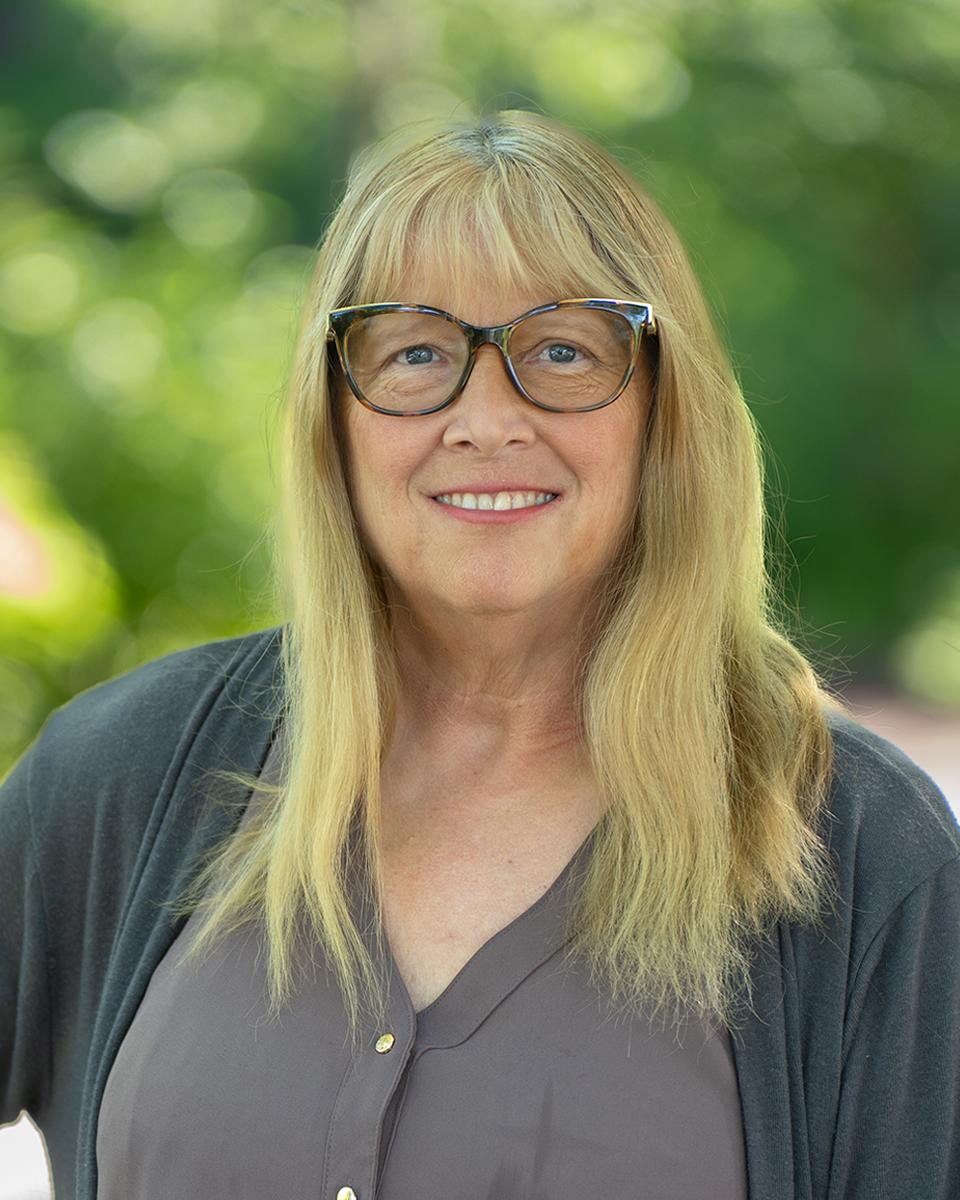
Jennifer Roberts sees that same dynamic in her work as a former CHW. Now, she is coordinating rural CHWs in Jackson and Monroe Counties, and doulas in La Crosse County. The CHWs she works with are also part of the HUB system, and their work is tailored to the distinct needs of rural communities. “In rural areas, we’re in a resource desert,” Jennifer says. “But CHWs are part of the communities they serve. They know who to call, what to do, and how to connect people with what they need.”
Jennifer recalls a young mother who wouldn’t allow anyone into her home. Jennifer met her at the library, building trust visit by visit. Eventually, she was invited in. She helped the family prepare for the baby—providing a crib, diapers, and support for breastfeeding. After the birth, the mother unexpectedly passed away from a blood clot. Jennifer was the one the family called.
In the days that followed, she connected the grieving father to a church that covered the funeral and helped set up a support fund. She brought formula, bottles, and pacifiers. She made sure the baby was safe and fed. “He was trying to get donated breast milk from strangers online,” she says. “So, I talked with him honestly and got what he needed.”
This is what community health workers do. And thanks to the HUB model, they’re not working alone. At United Way, we support community health workers because we believe health is about more than appointments and prescriptions. The HUB helps us find the gaps, and CHWs fill them. Together, we are building a healthier community, one household at a time.
*Name has been changed to protect privacy.