Leland Mississippi's Long Road to Recovery
The mass shooting in Leland, Mississippi, happened quickly. In under an hour, sixteen people were shot, seven of them fatally, blocks from the local high school’s homecoming game. The October 11 event cast a long shadow over the community. In a state that ranks second highest in the nation for gun deaths, the violence was both shocking and familiar.
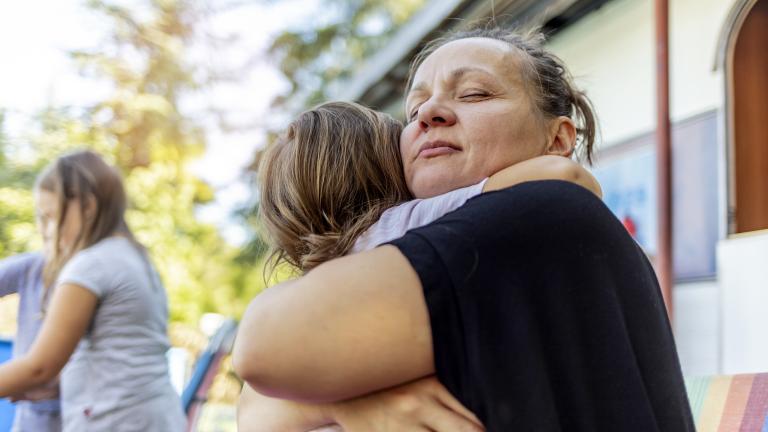
In the days that followed grief surfaced everywhere. At a local fire station, one man sat down across from a visiting counselor. “I just said, ‘Well, how are you doing?’ And he said, ‘Not good.’ And then he just cried. I didn't know what to say, I just cried with him.”
That counselor was Cindi Lofton, Executive Director of the Community Counseling Center, a small nonprofit based in Greenville about 15 miles from Leland. In the days following the shooting, Community Counselors made their services available to the broader community, extending grief counseling to anyone affected.
The Center’s roots run deep in the Delta. “It was originally founded by ministers who were feeding the hungry,” Cindi explained. “From that, the need for counseling services emerged.” Today, Community Counseling Center serves people across multiple counties, many of whom would not otherwise have access to care.
But the need far exceeds their resources. “We are all part-time counselors, each with a full-time commitment to helping those in need. Some of us are retired from various careers, but we have a love for what we do. It’s certainly not about making money.” In addition to serving in Washington County, the Center also serves people in Bolivar County, even though its funding for that location has run out. “We don’t turn anyone away based on their inability to pay,” Cindi said.
Community Resilience Through Mental Health Support
United Way of Washington County helps the Center stay afloat. “We would be hard-pressed to keep our doors open without them.” That’s how important United Way is to our mission.” Cindi said. United Way’s support enables their counselors to consistently serve people in rural counties where formal funding is scarce.
"Community resilience isn't built overnight. When tragedy strikes in the Delta, we need organizations like Community Counseling Center already in place, already trusted, already embedded in the community,” said Nathan Benzing, Executive Director of United Way of Washington County. “Supporting the Center is about making sure that when our neighbors face their darkest moments, there's someone they can turn to who understands this community and truly cares."
cindi's story
Cindi’s connection to the Delta is deep. She grew up working in her parents’ grocery store in Shaw, a small rural Mississippi town. “My Dad was born in the Mississippi Delta to parents who immigrated from China. My Mother came to the United States from China at the age of 10 and had to learn English. After meeting and marrying at age 20, my folks worked really hard to make sure my younger sister and I were well educated.”
Cindi’s experience with the effects of gun violence is very personal as well. She described the night her father was murdered in his store. “Two teenagers came in and asked him for some cold medicine,” she said. “He turned around to get it and one of them pulled a gun and shot him.” A family friend working with him was also murdered. “It was a double homicide. My Dad had painstakingly built several businesses and made lifelong friendships over a span of nearly 50 years in that little town. The murders horrified everyone throughout the region.”
The loss shaped her life in ways she didn’t expect. She joined a grief support group for personal reasons, but as a counselor, thought she would observe quietly. “I just had tears streaming down my face,” she said. “I burst out crying and sobbed uncontrollably.” That experience helped her understand what many of her clients face.
Others on her team bring similar histories. “We’ve all had negative things happen to us,” she said. “We’ve survived bad experiences, trauma, and other challenges throughout our lives. That’s part of why we’re here. Counseling is a calling because we have survived and even thrived in some areas, and we know we can help others.”
the long road to recovery
After the shooting in Leland, the Center helped coordinate counseling space and local outreach. “People needed to talk. “One lady lost five friends, and she needed to talk to someone.” Others affected by the shooting continue to call and come in.
"What happened in Leland reminded us that disaster recovery isn't just about immediate response, but the long road of healing that follows,” Nathan said. “Mental health support is critical, and it must come from people who understand the unique challenges of rural communities… not just in the immediate aftermath but in the months and years that follow."
Cindi says the work can be draining but necessary. “You’re dealing with people’s grief, their trauma, their despair. But you just keep showing up because you know they need your help.” We’re so grateful for the help from the United Way’s resources that allow us to keep going.”